A surge of intense heat is set to sweep across Spain and the Balearic Islands, with temperatures expected to soar above 40ºC in several regions. Authorities are warning of health risks, sleepless nights, and a possible official heatwave starting July 5.
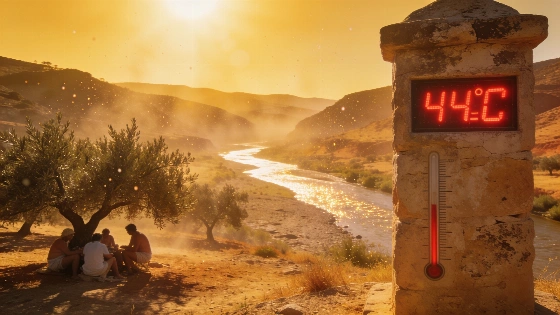
Thermometers across Spain are set to climb sharply from Friday, July 3, as a mass of dry, hot air moves northward over the peninsula. According to the State Meteorological Agency (AEMET), this surge will push daytime highs well above seasonal norms, with the most extreme conditions expected in the valleys of the Guadiana and Guadalquivir rivers. In these areas, temperatures could exceed 42ºC over the weekend, and in some locations, may approach a sweltering 44ºC by Tuesday, July 7.
The heat will not be confined to daylight hours. Many regions, especially in the Mediterranean, central Spain, and the south, will endure tropical nights, with minimum temperatures remaining between 22ºC and 24ºC. In cities such as Cáceres, Jaén, Cádiz, and Sevilla, overnight lows may not drop below 25ºC, making restful sleep difficult and increasing health risks for vulnerable groups.
Widespread Impact
The initial spike in temperatures is forecast to begin between Friday and Saturday, with AEMET and Civil Protection agencies warning that highs of 36ºC to 38ºC are likely in the Ebro and Miño river areas, and 38ºC to 40ºC across much of the southwest. The valleys of the Tajo, Guadiana, and Guadalquivir are expected to be hardest hit, with the mercury surpassing 40ºC. By Sunday, the heat will intensify further, potentially reaching 40ºC in the Miño valley and parts of inland Galicia.
European weather models indicate that some interior and western regions could experience temperature anomalies of more than eight degrees above average for early July, creating conditions typical of the peak summer months.
Regions Most at Risk
The most severe heat is forecast for river valleys and inland depressions. On Sunday, highs above 42ºC are expected in the Guadiana and Guadalquivir basins, with the possibility of 44ºC in isolated spots by Tuesday. From Monday, the heat is likely to spread east and south, affecting areas such as La Mancha, the northern plateau, the interior southeast, and Mallorca, where 38ºC could become widespread.
The Canary Islands will also feel the effects, particularly the eastern islands, where highs of 38ºC are possible. In southern Gran Canaria, nighttime temperatures may remain above 30ºC in some mid-altitude areas.
Health and Safety Concerns
Authorities are urging caution during the hottest hours of the day, especially for those with health vulnerabilities and people working outdoors. Civil Protection has highlighted the increased risk of wildfires, particularly if afternoon storms develop in mountainous areas with little rainfall. The combination of extreme heat and dry conditions could create dangerous fire weather next week.
While the exact duration and reach of this heat episode remain uncertain, AEMET has not ruled out the possibility of an official heatwave beginning Sunday, July 5. Current forecasts suggest a potential drop in temperatures in central and northern Spain by Wednesday, July 8, but the south may continue to experience very high temperatures beyond that date.
As Spain prepares for this intense heat, residents are advised to stay informed, take precautions against heat-related illnesses, and monitor updates from official sources. The coming days will test the country's resilience to extreme summer weather, with public health and safety at the forefront of concern.