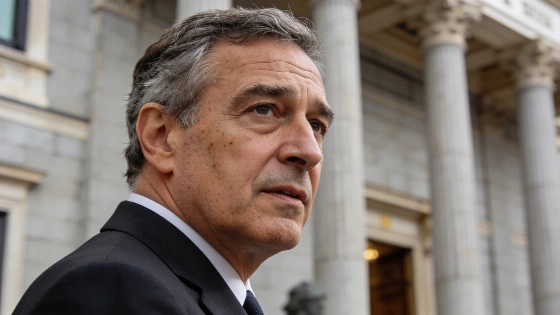
Pedro Sánchez has called early general elections for 29 November 2026 after Congress rejected two housing decrees. The decision sets a short campaign timetable and ends the current parliamentary path.
Congress rejected both housing decrees before Pedro Sánchez announced the election on Monday 5 October. Spain will vote on Sunday 29 November 2026. The parliamentary defeat has become the country's main political event.
The Council of Ministers must sign the election decree on the day of the announcement. It must then appear in the Boletín Oficial del Estado on Tuesday. Organic Law 5/1985 on the General Electoral Regime allows 54 days between publication and polling day.
The first housing decree was rejected by 178 votes to 172, while the second fell by 184 votes to 166, according to the BBC.
That count puts voters at the ballot box on 29 November. The campaign will start on Friday 13 November and last 15 days. Saturday 28 November will be the day of reflection. Polling stations will open the next day.
The decree's publication in the Boletín Oficial del Estado is the formal step that starts the 54-day timetable. The process is already moving fast.
The immediate cause was the defeat of the two housing measures. Before Friday 2 October's Congress session, the Government warned that an early election could follow if Junts voted against them. Junts rejected both texts. Sánchez then faced a choice: continue with a blocked parliament or seek a new mandate at the polls.
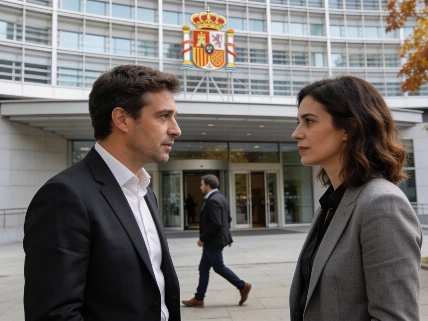
Xinhua and Catalan News reported that PP, Vox and Junts per Catalunya opposed both decrees. The votes showed that Sánchez does not have a stable majority in Congress.
Moncloa believes the timing can help the Government. Its argument is that Sánchez tried to advance policies that government sources described as good and bold, while facing systematic obstruction in parliament. Those sources also say public anger is on the Executive's side. ABC reported that position.
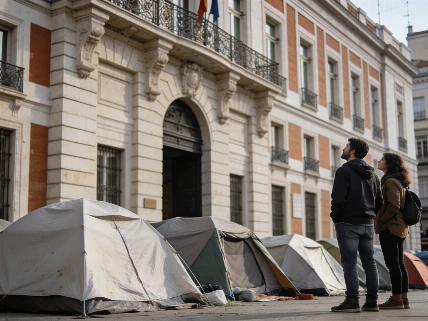
The defeated package was designed to address concrete aspects of the housing crisis: protection from eviction for vulnerable tenants was to be extended until 2030, while other provisions concerned lease terms and restrictions on some purchases by investment funds. The measures therefore represented a substantive social-policy dispute, not merely a procedural parliamentary setback.
Parties now face the next formal deadline. Candidate lists must be submitted between 21 and 26 October. That gives them less than three weeks after the announcement to complete registration.
The current legislative route is over. Voters now have a compressed election calendar to follow. The decree must be published first, then parties will submit their candidates before the campaign begins on 13 November.
Saturday comes next.
On 28 November, voters will have a day of reflection before the ballot opens on 29 November. The dates leave little space for delay.
The housing decrees were more than a failed vote in Congress. Their defeat brought the national election forward. Sánchez has framed the dispute as a government facing systematic blockage. The opposition parties forced the political system into a new contest.
Euronews reported that Moncloa had already considered an early election if Junts voted against the package. The announcement was sudden, but the option was not new. Spain now heads toward 29 November under a tightly packed electoral timetable.