Starting October 2026, Spain will roll out major changes to traffic laws for cars, motorcycles, bicycles, and e-scooters. The update brings stricter helmet requirements, new overtaking rules, and higher penalties, affecting daily travel across the country.
From October 1, 2026, anyone riding a bicycle, motorcycle, or e-scooter in Spain will face new rules: mandatory helmets and 200-euro fines for breaking them. The government is overhauling the Reglamento General de Circulación, making this the biggest update to Spanish road laws in twenty years. The changes will affect everyone—urban commuters, delivery riders, and drivers alike.
The main shift is a new focus on protecting vulnerable road users. For the first time, the law defines a 'usuario vulnerable de la vía' as anyone at higher risk of serious injury because of their vehicle or age. This isn’t just a statement of intent. The new rules come with clear requirements and penalties that will change how people move through Spanish cities and towns. The changes were published in the BOE on June 26, 2026, under Royal Decree 518/2026, and take effect on October 1, 2026.
Drivers overtaking cyclists outside urban areas must now reduce their speed by at least 20 km/h below the posted limit and, on multi-lane roads, are required to fully change lanes instead of passing closely.
Helmets and high-visibility gear
E-scooter riders will now have to wear a helmet at all times. The minimum age to ride is 15. At night or in poor visibility, a reflective vest is also required. Professional riders, such as food delivery couriers, must wear the vest at all hours. Not following these rules means a 200-euro fine. E-scooters must keep their lights on at all times, and outside city centers, they are limited to bike lanes or similar paths. These measures are part of a broader push to improve safety for people most at risk on the road.
Cyclists face similar changes. Helmets are now mandatory for all cyclists on interurban roads, with no exceptions. Professional cyclists, including delivery riders, must wear both a helmet and a reflective vest at all times. The fine for missing either is 200 euros. Overtaking cyclists now comes with stricter rules: drivers must slow down by at least 20 km/h below the speed limit and, on multi-lane roads, must change lanes completely while keeping a 1.5-meter gap. The Ministry of the Interior says these steps are meant to cut down on serious accidents involving cyclists and clarify what drivers must do when passing them.
Motorcyclists under scrutiny
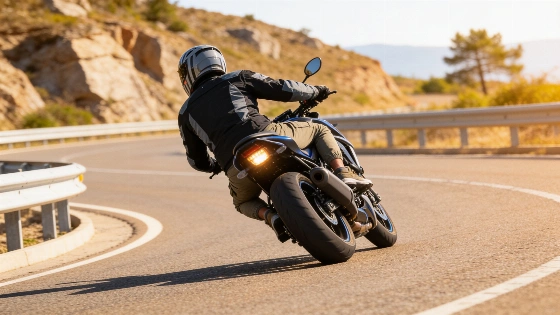
Motorcycle and moped riders must now wear protective gloves on interurban roads and closed footwear everywhere—no more sandals. These rules also apply to passengers. Fines for breaking them are 200 euros. Moped helmets must be officially approved, not just certified. Professional riders must wear a reflective vest at all times. In heavy traffic, motorcycles can use the right shoulder if it is marked, but only up to 30 km/h.
Seatbelts and urban changes
Taxi drivers, delivery vehicles, and driving instructors no longer have seatbelt exemptions. Everyone in these vehicles must buckle up, except ambulance passengers getting urgent care. In cities, new rules ban the simultaneous display of flashing amber for vehicles and green for pedestrians at crosswalks, aiming to reduce confusion and accidents.
The reform introduces a legal definition of 'safe school routes' in Spanish cities, officially recognizing designated paths for children to walk, cycle, or use public transport to school. This measure is part of a broader strategy to protect the most vulnerable road users and promote sustainable mobility.
Spanish cities will now officially recognize 'safe school routes'—marked paths for children to walk, cycle, or take public transport to school. Motorhomes face stricter parking rules: no extending awnings, no dumping fluids, and the vehicle must rest only on its tires.
Overtaking and emergency corridors
On highways and main roads, overtaking a stopped vehicle—whether due to accident, breakdown, or maintenance—now requires a 1.5-meter gap and a speed reduction of at least 20 km/h below the limit. During snow, overtaking is banned and all vehicles must keep to the right lane, leaving the left clear for emergency and snow-clearing vehicles. In traffic jams, drivers must create a central emergency corridor by moving aside, so police and rescue vehicles can pass through the middle.
Some changes will be phased in. The lighting rule for e-scooters and the requirement for officially approved helmets start in October 2027. The glove rule for motorcyclists will apply once technical standards are published; until then, current protective gloves remain mandatory.
These reforms follow a series of targeted crackdowns by the Dirección General de Tráfico, including recent efforts to improve roundabout safety and penalize risky driving, as reported earlier.
By closing loopholes and tightening enforcement, the government hopes to sharply reduce road injuries and deaths. The new rules will mean a real change for urban riders and professional couriers, who have often operated in a legal grey area. As October 2026 approaches, the message is clear: Spanish roads are no longer just for cars. Shared responsibility is now the rule, and ignoring these changes will come with real consequences—both in fines and personal risk.