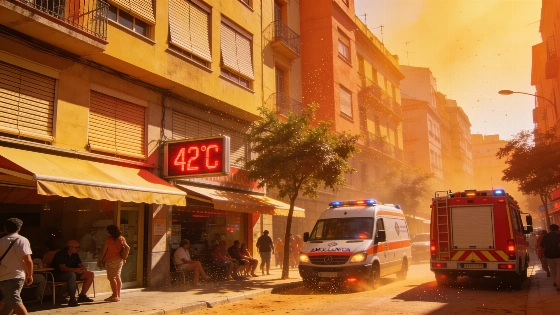
Spanish authorities have released updated advice to help residents cope with the ongoing heatwave. The focus is on practical steps at home and outdoors, with special attention to children and the elderly. Emergency services remain on alert.
With Spain facing another surge in extreme temperatures, authorities have outlined a series of urgent recommendations to help residents protect themselves and those most at risk. The latest guidance comes as emergency services continue to respond to heat-related incidents across the country, highlighting the need for immediate action in homes and public spaces.
Officials stress the importance of keeping living spaces cool during the day by closing blinds and windows, only ventilating at night when temperatures drop. Residents are advised to avoid direct sun exposure and strenuous activity during peak heat hours, typically in the afternoon. Hydration is a key priority: drinking water regularly is essential, while heavy meals and alcohol should be avoided. Lightweight clothing, head protection, and sunscreen with a factor above 30 are also recommended. Those on medication are urged to consult their doctor about appropriate fluid intake.
Special attention is being directed toward groups most vulnerable to heat, including children, the elderly, and pets. Authorities warn against leaving anyone—especially minors, seniors, or animals—in parked vehicles, even for short periods. Caregivers are encouraged to monitor for signs of dehydration and to prompt regular water intake, regardless of thirst. Outdoor play or exercise for children should be strictly limited during the hottest parts of the day.
Recognizing early symptoms of heat-related illness is critical. Common warning signs include muscle cramps, exhaustion, skin irritation or burns, and elevated body temperature. If these symptoms appear, individuals should immediately seek shade and drink cool water. In cases of severe symptoms—such as very high body temperature, headache, vomiting, or loss of consciousness—emergency services should be contacted by calling 112.
Recent events have underscored the risks associated with high temperatures. For example, during the San Fermín festivities in Pamplona, local authorities placed emergency services at the forefront to manage both record crowds and the heat, as detailed in this report on the San Fermín 2026 launch. Such measures reflect a broader national effort to adapt public safety protocols in response to increasingly frequent heatwaves.
Spain's approach aligns with broader European trends, as many countries are updating their heatwave response strategies. The Spanish Meteorological Agency continues to monitor temperature forecasts and issue alerts as needed. Residents are encouraged to stay informed through official channels and to share safety advice within their communities. The ongoing emphasis on prevention and early intervention aims to reduce the health impact of extreme heat, particularly among those least able to cope with sudden temperature spikes.