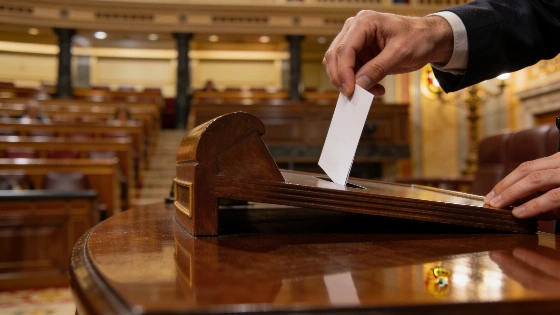
A 142-106 Senate vote blocked the friendship treaty with France, with one abstention. The PP and Vox opposed the deal during Emmanuel Macron's first state visit to Spain, focusing on a clause that would allow ministers from each country to attend the other's cabinet meetings.
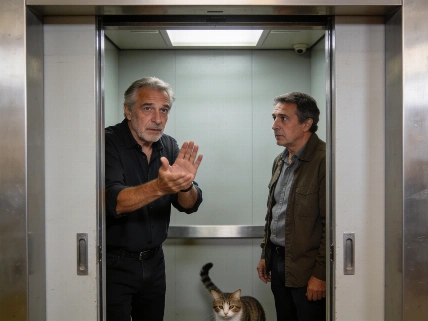
The treaty's most disputed clause would have allowed a French minister to join high-level meetings of the Spanish government every three months. Spain's Senate rejected the Treaty of Friendship and Cooperation with France by 142 votes to 106, with one abstention.
The vote fell on the first day of Emmanuel Macron's state visit to Spain. The Partido Popular and Vox led the opposition.
The PP used its Senate majority to block the agreement after months of questions about whether the text complied with Spanish law. The Constitutional Court approved the treaty on September 23, 2026, after the upper chamber challenged it. The ruling did not end the political dispute.
The court said the ministerial provision was compatible with Spain's Constitution. It also found that inviting a minister from one country to the other country's Council of Ministers did not breach the country's basic law. The PP accepted that decision but argued that parts of the deal went beyond what its name suggested.
The treaty was signed in 2023 and had already been approved by Spain’s Congress of Deputies before the Senate rejected it at the final stage of ratification.
The party's main objection was reciprocal access to cabinet meetings. Pilar Milagros Rojo said Spain and France needed to cooperate, but their interests would not always match. In the PP's view, the arrangement was a political concession. Calling the treaty an instrument of friendship did not justify it.
That clause changed everything.
Vox had announced its opposition before the final vote. Ángel Pelayo Gordillo called the treaty outdated and unsuitable. He linked it to the Agenda 2030 and said a foreign minister's presence in Spain's Council of Ministers would weaken national sovereignty.
Gordillo also pointed to Jordan Bardella. He used the possibility of Bardella attending a Spanish cabinet meeting as an example of what the agreement could allow.
After the Constitutional Court cleared the treaty, the Spanish government publicly urged the Senate to approve it as a priority. The appeal reflected Madrid’s effort to complete ratification before the agreement’s defeat in the upper chamber.
The treaty covered more than the disputed article. It sought closer diplomatic ties and policy coordination on security and immigration. It also addressed trade, mutual investment, links between the two populations and cross-border cooperation.
In Spain, the rotating invitation to cabinet meetings became the obstacle. It stopped the treaty at the final stage of ratification.
Support for the text extended beyond the two right-wing parties. Basque nationalists backed it because of the countries' geographical proximity, historical ties and cultural similarities. Junts also voted in favour. Eduard Pujol spoke positively about the international subject. Podemos supported the treaty as well. Other regionalist parties took less clear positions during the debate.
France has already approved the agreement. Its National Assembly passed the text, and its Senate ratified it last year. France also has a similar arrangement with Italy and Germany. Under those agreements, a minister from another country can take part in government meetings.
Spain has no equivalent precedent. It does maintain friendship treaties with Portugal and Morocco.
The rejection created an awkward setting for Macron's visit. King Felipe VI and Queen Letizia received Macron and Brigitte Macron. The royal couple held a private lunch with them. Macron also met Pedro Sánchez, Foreign Minister José Manuel Albares and Madrid's president, Isabel Díaz Ayuso.
It was Macron's first state visit to Spain during almost eight years in office. That period has broadly coincided with Sánchez's time as prime minister. Reports from international media described the timing as a diplomatic setback for France. The Constitutional Court had already endorsed the treaty, and the Élysée Palace had expected it to move forward.
The vote does not end cooperation between Spain and France. It rejects this particular institutional arrangement.
The treaty's diplomatic, commercial, security and cross-border goals could not overcome the cabinet-access provision. The PP and Vox made sovereignty the deciding issue after the Constitutional Court cleared the legal challenge. A high-profile bilateral initiative became a setback for the Spanish government.