The Government wants the new housing decree to address more than evictions. Housing Minister Isabel Rodríguez says it could also affect students and landlords if Congress supports it.
The Government's housing decree will cover more than evictions. Housing Minister Isabel Rodríguez says it will address structural problems, including the difficulty students face when looking for a place to live in the cities where they study. The announcement came after the eviction of Maricarmen, an 87-year-old Madrid resident who had lived in her home for seven decades.
Rodríguez is preparing to take the royal decree to the next Council of Ministers. In an interview on Malas Lenguas on La 2, she said the Government wants approval on Tuesday. She gave no details about the final package. Spanish media have identified Tuesday, 29 September, as the Government's working target. The decree had not yet been adopted or registered in Congress.
A UN Special Rapporteur criticised the eviction and said it should have been suspended, adding an international human-rights dimension to the Spanish housing debate.
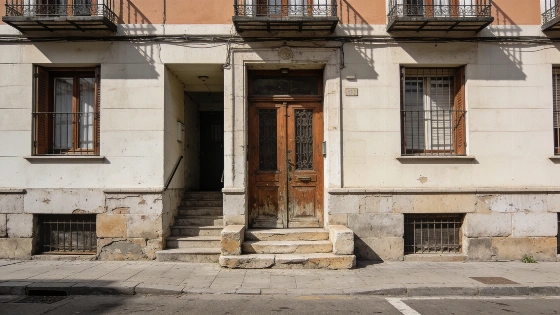
The political label has already changed. After the public reaction to Maricarmen's eviction and protests in Madrid on Wednesday night, the measure became widely known as the "decreto antidesahucios". Rodríguez's explanation points to a broader housing bill. Its reach could extend beyond court-ordered removals to access to rented homes. Reuters reported that police removed Maricarmen from the home where she had lived for more than seven decades, despite protests by hundreds of people outside the building.
Students are the clearest example Rodríguez has given so far. Young people who cannot find a home in the cities where they plan to study face a problem the minister says should be part of the wider response. She did not say whether the decree would regulate rents, expand supply, or use another mechanism. Prime Minister Pedro Sánchez has linked the case to Spain's wider housing crisis. AFP reported that he called for legislation to prevent such evictions and said the issue was a shared responsibility for the Government and Parliament.
The lack of detail is deliberate. Rodríguez said the Government is studying several kinds of rules while seeking parliamentary support for a proposal first expected in July. Fear of another defeat in Congress delayed it by three months. Approval now depends on agreements with parties outside the governing coalition.
The package under discussion may go beyond a general eviction moratorium. Reports by El Constitucional and Democrata mention suspending the removal of vulnerable families until alternative accommodation is available, compensating owners, and extending some rental contracts while limiting indexation in certain cases.
Junts is central to that calculation. The party led by Carles Puigdemont has repeatedly opposed Government measures. The executive has still agreed to study some of its proposals in an effort to win its support this time. La Vanguardia reported that the Government had resumed contacts with Junts and was considering its demands to secure backing for the decree.
The proposals include tax measures and incentives to encourage owners to put homes on the market. Junts has also proposed tax deductions for tenants and action against squatting. None of these measures has been presented as final or enacted.
The difference between a proposal and an applicable rule matters here. An earlier health report also dealt with a possible policy change rather than an immediate new obligation. The same uncertainty applies to the housing decree until the Cabinet approves it and Congress provides the necessary backing.
Rodríguez has expressed solidarity with Maricarmen. She has also said the response cannot stop with one eviction case. The Government is trying to turn public anger into a package covering evictions, students, owners, and tenants. Its credibility will depend less on the label "decreto antidesahucios" than on whether the promised changes are clear enough to pass Parliament and address the housing problems the minister has identified.