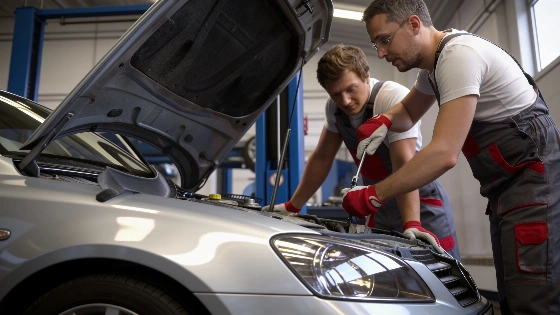
Thousands of Spanish auto repair shops are at risk as a severe shortage of mechanics leaves 20,000 positions unfilled. A new fast-track training scheme aims to bring in fresh talent and keep the industry running.
Auto repair shops across Spain are running short on staff. With 20,000 mechanic jobs unfilled, many garages are now turning away customers because they simply can't keep up with demand for repairs—whether for traditional cars or newer electric models.
This isn't a passing problem. Euromaster and Northius point to deeper issues: an aging workforce and too few new recruits. As older mechanics retire, there aren't enough trained people to take their place. The work itself is also changing, with more complex technical skills needed than before. A September 2026 report by PressDigital puts the number of open positions at around 20,000, a figure echoed in official labor market updates.
The persistent shortage of mechanics in Spain is confirmed by labor market data, with key technical roles remaining vacant for extended periods despite high overall unemployment.
The timing is especially tough. Spain's car market is shifting quickly, with electric, hybrid, and plug-in vehicles becoming more common. These cars require different skills—especially in electronics and diagnostics—that many current mechanics don't have, and few newcomers are learning. The result is a growing gap between what repair shops need and what the labor market offers. Labor market observers note that the electrification of the vehicle fleet is making the skills gap even wider, since repairing electric and hybrid vehicles demands advanced technical knowledge.
To tackle the problem, Euromaster and Northius have launched an accelerated training program. It's open to recent graduates and people from other fields looking for a career change. Unlike traditional vocational tracks, this course doesn't require a Formación Profesional diploma. Most of the curriculum is online and can be finished in as little as a year, or up to two years at most. This reflects a wider industry push, with companies like Euromaster expanding recruitment and upskilling efforts, including specialized training in high-voltage systems and digital modules.
The program includes at least 350 hours of theory, technical modules developed by Euromaster, and 300 hours of hands-on practice in real workshops. The practical part isn't just for show—students train within the Euromaster network and get access to a job pool that includes both Euromaster and other aftermarket companies.
The shortage of skilled labor is not limited to the auto sector: similar persistent gaps are reported in logistics, construction, and industry, highlighting a broader challenge for Spain’s technical professions.
Boanerges Neto, general director of Euromaster, calls the shortage of qualified staff a structural threat to the Spanish market. He warns that without urgent action, the industry could lose its ability to serve drivers just as new technology is changing how people get around. Neto says only targeted, effective training can protect both businesses and customers.
The impact goes beyond the workshops. As a recent report notes, the cost and complexity of owning a car in Spain are already rising, with many young people unable to afford vehicles or licenses. If repair shops can't find enough staff, the effects will spread through the whole transport system, from private drivers to commercial fleets.
For now, the new training partnership offers a practical way forward. By lowering entry barriers and focusing on the skills that matter, it aims to attract a new generation of mechanics ready to work with today's vehicles. But the numbers are clear, and the need is urgent. Unless Spain can fill these 20,000 jobs, the risk isn't a lack of cars—it's that there won't be anyone left to keep them running.