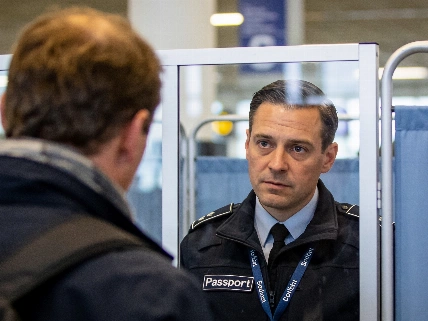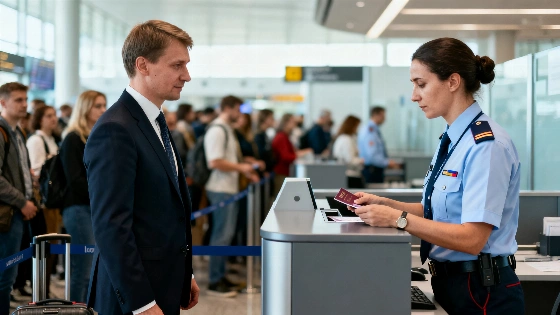
Eleven EU Countries Demand Stricter Visa Issuance for Russians. European countries are urging the European Commission to urgently tighten visa issuance for Russians. In 2025, the number of permits has increased despite the ongoing war. Spain and France issued the majority of the documents.
A new controversy has erupted in Europe over visas for Russian citizens: 11 European Union countries have appealed to the European Commission demanding stricter entry rules for Russians. The reason is the increase in the number of permits issued against the backdrop of the ongoing war in Ukraine and mounting pressure on Moscow. According to the Schengen Barometer, in 2025 alone, almost 478,000 tourist visas were issued to Russian citizens, with a significant portion being multiple-entry visas.
In a letter signed by the interior and migration ministers of Sweden, Czechia, Denmark, Estonia, Finland, Iceland, Latvia, Lithuania, the Netherlands, Norway, and Poland, concern is expressed that Russians continue to visit European resorts despite ongoing attacks on Ukraine. The authors of the appeal demand immediate measures and unified rules for all Schengen countries to close loopholes in visa policy and prevent disagreements among EU member states.
Statistics show that over the past year, the number of visa applications from Russians increased by 8.4%, and the number of permits issued rose by 10.2%, reaching 623,451. Nearly three-quarters of all applications and two-thirds of the issued visas went to France, Italy, and Spain. The growth is particularly noticeable in Paris—up 29.7% compared to the previous year. Meanwhile, visa issuance in Rome and Madrid remained almost unchanged.
The ministers of the initiating countries believe that the fragmented practice of issuing visas undermines solidarity and creates risks for the Schengen free movement system. They emphasize that some EU states take an overly liberal approach to granting permits, which, in their view, contradicts the overall policy of tightening measures regarding Russia. The letter calls for unified and stricter rules for all participants in the agreement.
At the same time, Estonia's initiative to create a special mechanism that would block entry to the Schengen Area for individuals connected to the Russian armed forces—both active and former service members—is under discussion. According to diplomatic sources, this idea has found support among several countries.
The issue of tightening the visa regime for Russians was discussed at a meeting of ministers in Luxembourg, where the Swedish migration minister called for an end to Russian citizens' tourist travel to Europe amid ongoing military actions. As noted by EL PAÍS, disagreements between EU countries on this matter persist: some states fear that harsh restrictions could have the opposite effect inside Russia.
In the context of stricter visa rules, it is worth recalling that the Spanish authorities have already made decisions in the past that sparked significant reaction among professional communities. For example, the recent approval of a new statute for medical workers was accompanied by mass protests, as reported in detail in the article on the reform of the status of medical workers.
For reference: The Schengen Area unites 25 EU countries, as well as Switzerland, Norway, Iceland, and Liechtenstein. The introduction of unified visa rules requires the consent of all parties to the agreement. In recent years, the European Union has repeatedly reviewed its visa policy toward Russia; however, statistics indicate a continuing demand for travel and varied approaches among different countries. The issue of further tightening remains open and directly affects the interests of tourists, businesses, and Spain’s immigration authorities.