The cost of keeping a car on the road in Spain is rising sharply. Mechanics and families alike are feeling the pressure as repair bills and parts prices reach new highs, threatening the future of private car ownership.
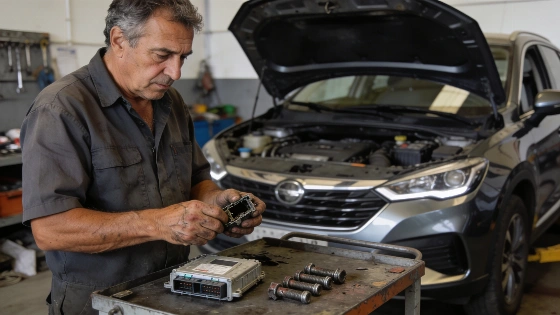
Enrique Álvarez, a veteran mechanic at Talleres Piba in Daimiel, Ciudad Real, faced a familiar problem. A customer needed an airbag repair. Álvarez had to be blunt: “En cinco años nadie va a poder mantener un coche financieramente hablando.” The numbers back him up. A part that once cost 80 euros now goes for 480 euros. The reason? Manufacturers force buyers to replace the whole module, not just a single piece.
This isn’t rare. All over Spain, families see repair and maintenance bills climb. Household budgets are taking the hit. The Instituto Nacional de Estadística (INE) is often cited as confirming this trend. But there’s a catch. Independent checks of the exact July 2026 figures—like a 4% year-on-year jump and a 2.9% rise from January to July—aren’t available in the latest official INE releases. These numbers keep showing up in the press, including El Imparcial and Mundo Deportivo, but the original INE report is missing.
According to Motor16, the average annual cost of maintaining a car in Spain is around 600 euros, with oil and filter changes typically costing 70–120 euros, and a set of four tires ranging from 200 to 600 euros.
Álvarez sees a bigger shift. The main problem isn’t the sticker price—new cars often top 40,000 euros. It’s the steady stream of repairs that follow. “¿Cómo vas a tener coche si te compras uno nuevo, te gastas más de 40.000 euros y a los cinco años tienes que empezar a echarle averías de 500 euros?” he asks. For many families, owning a car could soon be out of reach.
Quality issues make things worse. Álvarez says he finds bolts that deform under normal torque. That points to lower material standards. Still, claims of a 300% drop in part durability or a widespread fall in bolt quality haven’t been confirmed by manufacturers or official tests. Recent industry reports make that clear.
Repair practices are changing fast. When single parts can’t be bought, customers have to pay for whole modules. Even small fixes now cost much more. Álvarez says this is happening more often. It’s changing how Spanish workshops work.
Recent reports highlight that Spanish repair shops are required to provide a detailed invoice for all work performed, and by regulation, a minimum warranty of three months or 2,000 kilometers applies to completed repairs. However, this information is based on commercial interpretations rather than direct publications from regulatory authorities.
For many, car ownership is starting to look like Spain in the 1960s. Back then, only the wealthy drove. Álvarez warns that if manufacturers don’t change course, Spanish streets could soon look the same.
Digital tools and new tech are already changing how people in Spain shop for cars, as reported earlier. But online research can’t protect families from the steady rise in repair costs once the car is in their driveway.
Spain’s car market stands at a crossroads. The data and the stories from the workshop floor are clear. Unless manufacturers and policymakers tackle the rising costs of repairs and parts, private cars could become a luxury. The warning from Ciudad Real is simple. Without action, most Spanish families won’t be able to afford to keep a car on the road.