Spain’s generic drug sector is sounding the alarm over government price controls that, according to industry leaders, are pushing prices to unsustainable lows and risking the country’s ability to guarantee vital medicines.
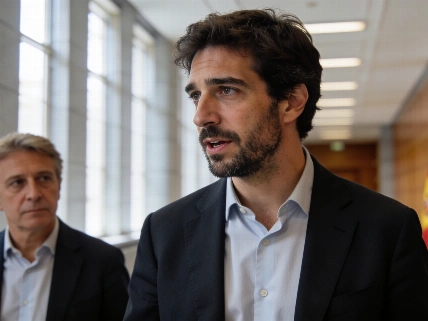
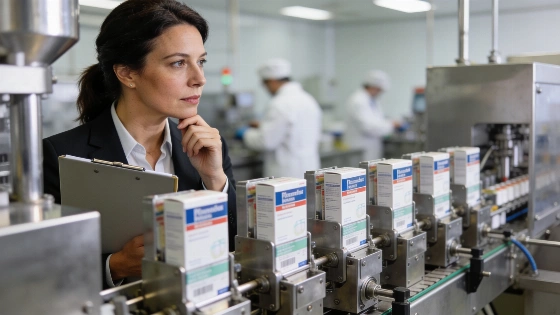
Generic drug makers in Spain say the country’s reference pricing system is pushing medicine prices so low that many products are no longer profitable. Elena Casaus, secretary general of the Asociación Española de Medicamentos Genéricos (Aeseg), spoke bluntly at the VII Simposio del Observatorio de la Sanidad de EL ESPAÑOL-Invertia. She said the current rules are cutting prices to the bone. For some generics, it’s no longer possible to keep supplying the market.
Casaus called out a contradiction in European health policy. Brussels wants to secure supplies of critical medicines. But Spain’s pricing rules, she argued, work against that goal. The pressure is mounting. Seven out of ten medicines in Europe are generics. The share is even higher for drugs the European Medicines Agency lists as critical.
The Spanish Ministry of Health is seeking to preserve part of the pharmaceutical reform through a separate royal decree on pricing and reimbursement, which has already received the necessary departmental approvals and is awaiting review by the State Council and the Council of Ministers.
The collapse of Spain’s new medicines law has made things worse. The bill was under review in parliament before the general election was called. It would have brought in a dynamic pricing system to help generics regain ground in pharmacies. Now, with the law on hold, the old system stays in place. The risks for the industry remain. The Ministry of Health says the sector will have to keep working under the current legal framework unless some changes are moved into lower-level regulations.
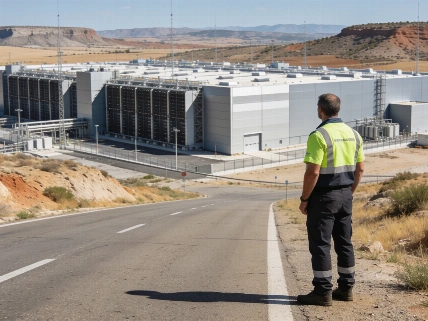
Aeseg is now working as part of Europe’s wider health emergency plan. Casaus explained that the group is helping roll out the continent’s medical countermeasures strategy. This covers everything from spotting threats to making, storing, buying, and quickly moving medicines in a crisis. Spain is a major player. It ranks second in the EU for industrial production capacity, with 38 facilities. Of these, 27 make medicines. The rest handle analysis, batch release, and logistics for imported drugs.
The proposed royal decree may introduce dynamic pricing and speed up administrative procedures, with a standard process of 180 days and an accelerated process of 90 days for pricing and reimbursement decisions. The draft also addresses the transition from EU-wide drug registration to Spanish pricing and reimbursement, but dynamic pricing has drawn criticism from both generic and original drug manufacturers for relying mainly on generic market share rather than the number of competitors or actual pharmacy sales.
Across Europe, work is underway to map and strengthen supply chains. A voluntary network of manufacturers is being set up to allow fast action in emergencies. The Athina platform is also in development. It will use artificial intelligence to track where manufacturers are and how medicines move. The goal is full readiness by 2030.
Casaus is not convinced these plans will work unless they come with real industrial policy and funding at both EU and national levels. She asked a simple question: once strategic projects are set, who pays? This is not just theory. Last year, a legal framework was created so member states can pay manufacturers to fill supply gaps in public services, with up to 20 million euros a year in compensation. But for this to matter, national governments need to make it part of their own industrial policies.
Spain’s problems are not limited to pharmaceuticals. As reported earlier, other sectors like car parts and logistics are also facing rising costs and supply issues. The pattern is clear. Critical supply chains are vulnerable.
Casaus said that keeping the supply of key medicines safe takes more than just strong production and storage. New technology is needed. But Spain’s current support programs, such as the CDTI and Plan Profarma, are not enough for what the sector needs. Without targeted investment, Spain could lose both its current strengths and its future in drug manufacturing.
Aeseg’s message is blunt. Unless Spain and Europe bring their pricing, industrial, and supply chain policies into line, the country’s ability to guarantee essential medicines will stay at risk. The current path puts generic makers in danger. It also threatens the strength of the whole healthcare system. Policymakers face a clear choice. Adapt to the market, or risk losing access to life-saving drugs.