Martorell could get a second electric platform for larger cars, with a decision possible at the end of 2027 at the earliest. Volkswagen says no decision has been made and an announcement is expected in 2027. Production would start in the following decade, so the allocation remains a plan, not a confirmed award.
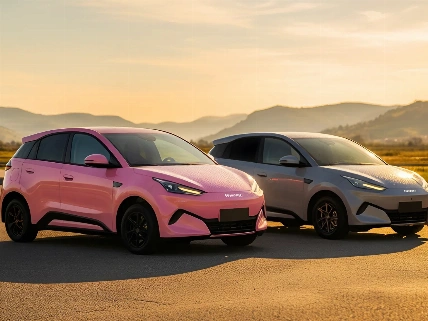
The plan builds on a small-car programme shared across two Spanish factories. Martorell makes the Volkswagen ID. Polo and CUPRA Raval; Landaben, also known as Navarra, produces the Volkswagen ID. Cross and Škoda Epiq. All four use the MEB+ architecture and front-wheel drive, sharing more than 80% of components and technologies.
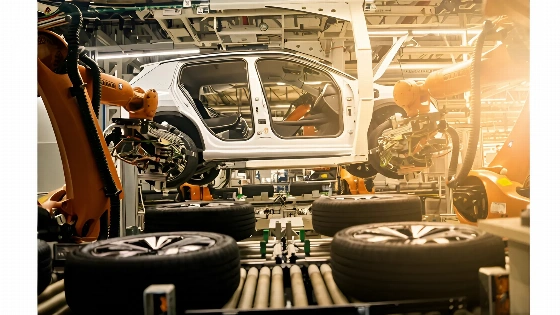
That commonality helps explain the production strategy. A single line can handle several models without duplicated tooling, while reprogrammable robots make it easier to switch between them. Martorell has reported annual capacity of about 600,000 vehicles, with roughly half reserved for electric models. Its other output includes the CUPRA León and Formentor and the SEAT León, Arona and Ibiza. The Grupo Volkswagen target is about 400,000 electric cars a year from Martorell and Navarra in 2027. That is a target, not a reported output figure.
At the other end of the production scale, the Brabus P 900 Rocket Edition is limited to 10 pick-ups. The Spanish factories' case rests on sharing components across four models, rather than building a small run of individually tailored vehicles.
Martorell's next step would be a second architecture, expected to be the future Scalable Systems Platform (SSP), for vehicles around the size of a SEAT León or CUPRA Formentor. An internal group report considers the assignment, but a decision may not come until the end of 2027 or later. Production is envisaged for the start of the next decade. The reported investment of about €1 billion in Martorell supports preparation for the current B-segment electric-car programme; it does not confirm an award for the larger vehicles.
Demand is also squeezing production slots for the Spanish-built small EVs. CarExpert reported that the ID. Polo’s allocated 2027 production was largely sold out, with waiting periods approaching two years in some European markets. The report also described constraints affecting the ID. Cross and Škoda Epiq.
Factory equipment also affects the cost of building a car. Megacasting uses a large press to form a major aluminium section in one piece, replacing many smaller panels joined together. That can cut the number of components, welds and tooling operations, and shorten the assembly line. The approach became familiar through the rear section of the Tesla Model Y.
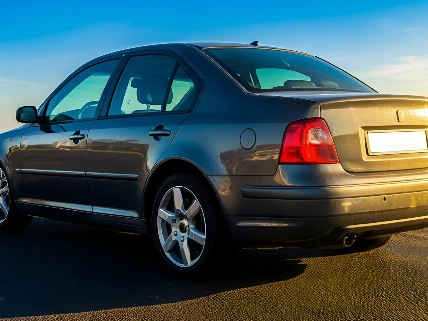
The cost implications extend beyond the factory. An integrated cast section may need replacement rather than repair, and the source material says insurers are examining vehicles with such structures. A relatively minor rear-end collision could therefore bring a repair bill of thousands of euros.
German plants face uncertainty over models beyond 2030, while no closure has been approved for the four factories in question. Spain's expansion also comes with a cost programme: Martorell is among the group's ten international priorities for reductions in 2027. The measures include a wage freeze, greater labour flexibility and proposed staff cuts subject to negotiation.