Stellantis plans to launch its Level 2++ hands free driving system in North America by 2028. Developed with Wayve AI, the tech aims for hands free driving in both city and highway traffic.
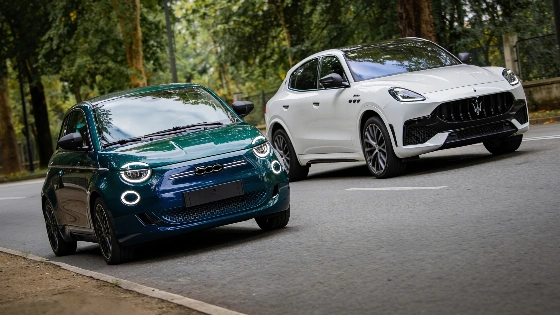
Stellantis has set a date. Its Level 2++ hands free driving system will hit North America in 2028. The company is already testing the tech in real traffic with Fiat 500e and Maserati Grecale prototypes. Industry sources, including Autonomous Vehicle International, say these tests show the system can run hands free under driver watch on highways and city streets.
Most current systems need detailed high definition maps. Stellantis is taking a different route. It uses Wayve AI Driver, which relies on cameras, radar, and sometimes LiDAR. This setup is meant to make global rollout easier and keep costs down. The goal is to use the same tech across many brands and car types in the group. Automotive World confirmed the partnership in May 2026. The first commercial launch is set for North America in 2028.
Stellantis and Wayve have not yet named the specific production model that will first receive the Level 2++ system, despite confirming the launch year and region.
These STLA AutoDrive prototypes powered by Wayve are more than just tech demos. Stellantis says the same core system can fit any model in its lineup. No need to build separate systems for each car. The company believes this will bring advanced driver help to more buyers, no matter the brand or segment. Sector analysts report that Stellantis wants a single tech base for Wayve AI Driver across all models and platforms.
This Level 2++ system promises something new: real door to door automation. Stellantis says it will work on highways and city streets. That’s a step up from current hands free systems, which often only work on mapped routes. The system is built for future updates. It can adapt as rules and customer needs change. Official statements stress that Level 2++ is not full self driving. The driver must always watch the road and be ready to take over.
The first production car with the new system is still unnamed. Stellantis has ruled out the redesigned Jeep Cherokee. That model will start production in the second half of 2029. It will be the first US built car on the new STLA One platform, but it won’t launch Level 2++.
The initial phase of the Stellantis and Wayve partnership focuses on automated driving for highways and city streets, with the companies conducting real world tests on Fiat 500e and Maserati Grecale prototypes. The system is classified as Level 2++, meaning it is an advanced driver assistance feature rather than a fully autonomous solution.
Wayve’s AI Driver stands out because it works without maps. The company says this “simplifies the implementation” and “reduces costs.” That makes it easier to spread the tech worldwide. The system uses cameras, with radar and optional sensors for backup. This mix aims to balance safety and price. Automakers can adjust the sensor setup as needed.
Stellantis says the project is a real answer to the mental drain of daily driving. The aim is a smoother, more natural ride. Wayve’s AI combines with Stellantis’ engineering and flexible car platforms. The partnership wants to speed up advanced driver help, but keep safety and trust at the center. Industry observers see this as part of a bigger move toward tech that works for real customers, not just for show.
Level 2 automation means the car can handle some tasks, like adaptive cruise or parking. But the driver must stay alert and in charge. Level 3, where the car can make more decisions on its own, is still blocked in many countries by rules. Stellantis’ Level 2++ aims to bridge the gap between today’s driver assist and full self driving.
The company’s plan matches a wider shift in the car world. The focus is moving from one off tech stunts to solutions that scale and put the customer first. Recent coverage of rule changes and driver experience shows the industry is under pressure to deliver real value, not just flashy features.
Stellantis is betting on a system that is flexible, updatable, and easy to roll out. Not just a flashy add on. If it works—if drivers get safe, simple automation without being locked into pricey, map based systems—it could change what people expect from their cars. The next two years will show if this plan can move from test cars to daily life. Stellantis and Wayve have set the stage. The race for practical, scalable automation is on.