Electric car sales in Spain shot up 73 percent in September. Tesla leads the charge, Chinese brands are catching up fast, and battery prices are falling below key levels.
Spain’s electric car market just hit a new high. Between September 1 and 18, 8,269 fully electric passenger cars were registered. That’s a 73.2% jump from the same stretch last year. Battery electric vehicles (BEVs) now make up 21.3% of all new cars—Spain’s highest monthly share since 2019. The numbers show a market changing fast. Industry data and sector reports say this isn’t just a one-off spike. Spain’s move to electric cars is picking up speed. BEVs are even set to overtake diesel in new registrations by mid-2026.
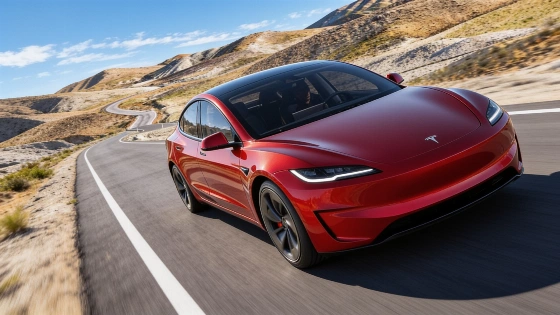
The Tesla Model 3 is leading the way. In just over two weeks, 2,218 Model 3s were registered. That’s more than a quarter of all electric cars sold in Spain this month. Add the Model Y’s 829 registrations, and Tesla’s two models now hold 36.8% of the BEV market for September so far. The next closest brand, BYD, is far behind at 745 units. But BYD actually led BEV registrations in Spain from January to August 2026 with 11,943 units, according to several auto industry sources. Tesla’s September surge may not be enough to take back the yearly lead.
In September 2026, for the first time, none of the top 10 best-selling electric cars in Spain were from European brands, with Chinese and American models dominating the rankings.
This spike isn’t random. Tesla’s delivery strategy packs the market at the end of each quarter, when ships unload most of the European stock. The pattern is clear. March and June, both quarter-ends, set the last records. Now September is on track to match or beat those highs. Daily registrations jumped from 270 on the first day to 944 by the 18th. If this pace keeps up, the month could end near 13,000 electric cars, close to the June record of 14,567. Sector analysts say these surges are tied to Tesla’s global shipping and inventory cycles, not steady monthly demand.
Tesla’s lead is only part of the story. The September top 10 shows a new lineup. After the Model 3 and Model Y come the Toyota C-HR+, BYD Dolphin Surf, Leapmotor B10, Kia EV3, BYD Atto 3 EVO, BYD Atto 2, Leapmotor B05, and Volvo EX30. Leapmotor now has two models in the top 10. The B10 logged 199 units, and the B05 made its debut with 158. The B05’s rise—from just 18 units in early August to a top-10 spot—shows how low prices and new brands are shaking up the market. Recent sector reviews point out that Spanish buyers care most about price and delivery times. Brands that can offer cheaper models and quick supply are winning ground.
Price is still key. The Leapmotor B05 starts at 26,264 euros for the 56.2 kWh version, and 30,264 euros for the bigger battery. The much-hyped 19,500 euro price is only possible after stacking government incentives, trade-in deals, and brand discounts. These extras can add over 6,000 euros to the real cost. Even so, the B05 is still one of the cheapest ways to get a new electric car in Spain, especially as batteries get bigger and range improves.
By mid-2026, Spain had 56,682 public charging points in operation and another 17,821 installed but not yet active, according to ANFAC. Despite this progress, the country had only reached 17.5% of its 2030 electric vehicle target, highlighting a significant lag in infrastructure compared to growing demand.
Leapmotor’s growth is clear. It registered 589 units across five models—B10, B05, T03, B03X, and C10—making it the third-biggest electric brand for the month, ahead of Mercedes-Benz and Kia. The B03X, a new B-segment SUV, already has 66 registrations in its first two weeks and could break into the top 10 soon. With incentives, its entry price drops to 17,500 euros, making it a strong pick for buyers watching their budgets.
There’s a bigger shift behind these numbers. Leapmotor plans to build the B05 and B10 in Figueruelas starting in 2027. The B03X will be made in Villaverde once Stellantis hands over the plant. This isn’t a trial run. Leapmotor is setting up local factories and betting on Spain for the long haul.
Private buyers are driving this boom. Of the 8,269 electric cars registered so far in September, 6,501 went to individuals—not fleets or rental firms. That’s 79%. This isn’t a fleet-driven bubble. It’s a real change in what people want to drive.
But the headline 21.3% BEV share comes with a catch. It’s a mid-month figure, boosted by Tesla’s delivery wave. The year-to-date BEV share is 10.7%, up from 8.5% last year. The final September number will likely land above 15%. That’s still a record, but not as dramatic as the mid-month spike suggests.
What’s different for buyers now? The average new electric car has a 69.8 kWh battery and a certified range of 513 km, up 3.4% in a year. Entry prices have dropped below 20,000 euros with incentives. Buyers are getting better cars for less money. These two changes are finally moving the Spanish market.
This fast shift matches what’s shown in recent analysis, where Tesla and Chinese brands are pushing out traditional European automakers. The September numbers show this isn’t just a forecast. It’s happening now.
Spain’s electric car market isn’t a niche anymore. With Tesla’s quarterly surges, Chinese brands cutting prices, and local factories on the way, Spain is now a key battleground in the global EV race. The numbers are clear: the electric shift is here, and the old order is changing fast.