Senegal vs Saudi Arabia Match Will Not Be Televised. Senegal wraps up its preparations for the 2026 World Cup with a match against Saudi Arabia. The game will take place overnight in Texas and will not be broadcast on TV. The French coaching staff will not be able to watch the opponent’s game.
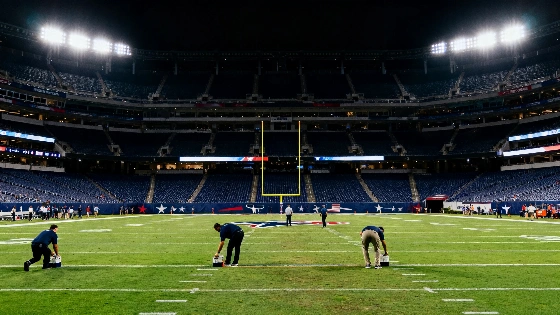
The friendly match between the national teams of Senegal and Saudi Arabia, which will conclude Senegal’s preparation cycle for the 2026 World Cup, will take place overnight from Tuesday to Wednesday at Toyota Field Stadium in San Antonio, Texas. Despite being a future group-stage opponent of France, this game is not scheduled for broadcast on any television channel.
According to RUSSPAIN, the kick-off is set for 1:00 am French time. For Didier Deschamps’ coaching staff, this means it will be impossible to conduct a full real-time analysis of the 'Lions of Teranga'. Senegal previously lost to the USA 2-3, and the match against Saudi Arabia was supposed to be the last chance to assess the team’s form before the tournament begins.
The lack of a live broadcast is not the only instance where fans and experts face limited access to international football events. A similar situation occurred with other friendly matches, for example, when the encounter between Morocco and Norway ahead of the World Cup was available only on paid platforms, as noted in coverage of the teams' preparations for the 2026 World Cup (more about the broadcast of preparation games).
For Senegal, this match is the final test before the start of the World Cup, where the team will face France on June 16. Saudi Arabia is also using the game for final roster adjustments. In recent years, FIFA and national federations have increasingly faced questions about broadcast accessibility, especially for matches not part of official tournaments. In Spain, interest in such games is growing as national and foreign teams prepare for major competitions, but the lack of free-to-air coverage limits opportunities for fans and analysts. It is important to note that these restrictions are most often due to a lack of agreements between federations and broadcasters, rather than technical reasons.