A fleet of thirteen Biscuter microcars rolled into Zamora for a unique gathering that blended automotive heritage, local cuisine, and the spirit of active aging. The event offered rare sights, personal stories, and a reminder that passion for the road knows no age.
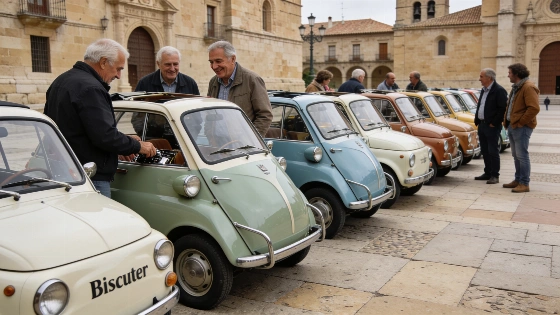
When thirteen Biscuter microcars lined up in Zamora’s Plaza de Santa Lucía, the city paused to take notice. These compact cars, once a practical answer to postwar Spain’s needs, now draw attention as rare survivors—each one kept running by owners who value both the machine and the memories it carries.
This wasn’t just a car show. Organized by the Clàssic Motor Club del Bages as part of the I Encuentro de Microcoches Castilla y León 2026, the event brought together drivers from across the region. Their motto, “Sin prisa por llegar...”, sums up the spirit: the journey matters as much as the destination. According to Tribuna Salamanca, the gathering ran from September 13 to 19, with Zamora’s public exhibition on September 15 at 14:30, one stop on a route through several cities.
The I Encuentro de Microcoches Castilla y León 2026 brought together around 30 participants and 15 microcars or classic vehicles from the 1950s–1960s, highlighting the cultural and tourist value of these gatherings.
What made this meeting stand out were the people behind the wheels. Most are retirees who have turned their interest in vintage cars into a daily pursuit. Keeping a Biscuter on the road takes patience, technical know-how, and a willingness to deal with the unexpected. For these owners, the payoff is in new friendships, changing scenery, and the satisfaction of keeping history alive by driving it, not just remembering it.
For a day, Zamora became a living museum. Locals and visitors wandered among the microcars, drawn by their unusual shapes and the stories they sparked. The city joined in: participants rode the tourist train, explored Zamora’s old streets, and sampled local wines and cheeses thanks to the Ruta del Vino. Zamora offered its flavors and history, while the Biscuters brought a scene rarely found on today’s roads. El Español noted that the event was part of a busy September in Zamora, with other activities focused on urban mobility and community life, adding to the city’s cultural calendar.
One detail caught the eye of collectors: among the cars was a Biscuter with Zamora plates, now for sale at €25,000. What started as an affordable car for tough times has become a collector’s item, valued for its rarity and the history it represents.
The Biscuter, emblematic of Spain’s postwar automotive industry, is recognized as part of the country’s transport heritage rather than just a rare car. In 2026, interest in microcars has surged, with 2,138 microcars and microvans registered in Spain in the first half of the year—a 55.4% increase year-on-year.
The day’s highlight came from Jacinto Rodríguez, a craftsman known for his wooden models. He presented the group with a hand-carved Biscuter, connecting those who restore the originals with those who capture them in miniature. It was a reminder that preserving history can be both mechanical and artistic.
This event is part of a wider trend. Across Spain, classic car rallies keep drawing crowds, as seen at the recent Pontevedra rally where rare microcars also took the spotlight. The popularity of these gatherings shows a real appetite for hands-on history and a pushback against the throwaway pace of modern life.
As the Biscuters left Zamora for Curiel del Duero and Segovia before heading back to Ávila, they left more than photos behind. The event was a lesson in staying active, building community, and finding joy in moving at your own speed. The real achievement isn’t just keeping old cars running, but refusing to let curiosity and connection fade with age. In a world that prizes speed and the next new thing, these microcars—and their owners—show that sometimes the best stories are found in the slow lane.
According to Google/SpainAuto, the mix of heritage, food, and personal connection at the event points to a growing sense that culture isn’t just in monuments or museums, but in the traditions people keep alive. The Biscuter convoy in Zamora proves that history, when it’s still in motion, can turn heads and inspire new journeys—no matter how small the engine.