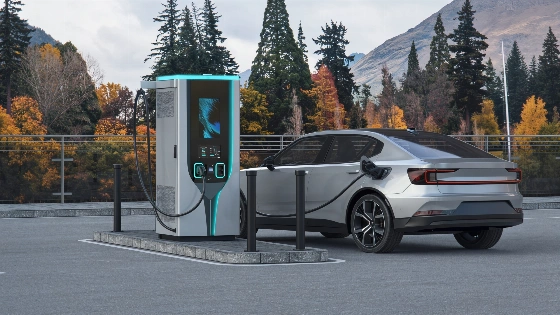
Spain’s electric vehicle charging network looks impressive on paper, but nearly 18,000 public chargers are still offline due to technical issues or missing grid connections. This gap between installed and working stations is slowing the country’s shift to electric cars.
Spain’s push for electric vehicles is running into trouble where it matters most: the charging network. Official data lists 76,040 public charging points across the country. But dig deeper, and 17,965 of those are just hardware with no power. They’re either broken or still waiting to be hooked up to the grid. That leaves only 58,075 chargers actually ready for drivers. The shortfall is dragging down Spain’s plans for 2026 and beyond. ANFAC says this puts Spain at just 47% of its 2026 goal of 124,000 public charging points. Some reports claim 70%, but that figure counts total installed charging power, not the number of working stations.
The pace has slowed sharply. In the third quarter of 2026, Spain added only 1,393 new public chargers—a 2.5% bump from the previous quarter. The bigger problem is the year-on-year drop. From January to September, only 5,003 points went live. That’s a steep fall from the 13,382 added in the same stretch of 2025. ANFAC and industry reports confirm this slowdown: 2026’s rollout is running at just 37.4% of last year’s speed. Some sources have mixed up the numbers, wrongly assigning the 13,382 figure to 2026, but it actually belongs to 2025.
According to AEDIVE, as of October 1, 2026, only 53,373 public charging points were actually operational in Spain, highlighting a gap with the higher official figures.
ANFAC (Asociación Española de Fabricantes de Automóviles y Camiones) points to a clear choke point: activation, not construction. Nearly 24%—23.6%—of all installed public chargers are out of service. Some have technical faults. Others are still waiting for a grid connection. If these idle stations were switched on, Spain’s charging map would look very different. AEDIVE, which tracks data from charging operators, also reports fewer working points than the official stats suggest.
ANFAC is urging authorities to cut the red tape and speed up grid connections for new stations. The group says the current delays are wasting both private money and public patience. The problem is even worse for high-power chargers, which are vital for long trips. Of the 1,393 points installed last quarter, only 399 offered 150 kW or more. Another 693 were capped at 22 kW or less. Right now, Spain has 6,651 high-power public chargers—just 11.4% of the total network. About 68% of all public points are limited to 22 kW, so a full charge can take more than three hours.
A key barrier to faster rollout is the lengthy administrative cycle: according to Repsol, while physical installation of a large charging hub can take just 15 days to a month, opening it to users typically requires 15–20 months due to regulatory delays. In some cases, the gap between construction and operation stretches to three or four years.
European rules set by ACEA (Asociación de Constructores Europeos de Automoción) require at least 3 kW of installed power per electric vehicle and 2 kW per plug-in hybrid. Spain has reached 70% of its 2026 target for installed charging power, but the gap between what’s built and what’s actually usable is holding back progress. ANFAC says 22 provinces now meet or beat the required power level, but six provinces are still below half the target. The result is a patchwork network with big regional gaps.
José López-Tafall, director general of ANFAC, says Spanish buyers are showing more interest in electric cars. “The data from the third quarter show that market electrification continues to advance and is gaining weight among Spanish consumers. That in September one in three new cars registered was already electrified demonstrates there is growing demand when citizens have the right conditions and ongoing incentives.”
But for drivers who pull up to a dead charger, the reality is frustrating. ANFAC’s message is blunt: Spain needs to speed up connections for new stations, especially in regions with little coverage and for heavy vehicles, where infrastructure is almost nonexistent. The group warns that if the pace doesn’t pick up, Spain could fall even further behind other European countries and miss its shot at becoming a top electric vehicle hub. ANFAC’s infrastructure index puts Spain at 15.9 points, far below the European average of 31.5. Only the Czech Republic and Hungary score lower.
This isn’t the first time Spain’s charging network has come under fire. As reported earlier, industry leaders have called for strict deadlines and penalties for electricity distributors who drag their feet on connecting ultra-fast chargers. The problem keeps frustrating both operators and drivers.
Spain’s electric mobility drive is at a standstill. The infrastructure is there on paper, but until thousands of idle chargers are switched on, the country’s green goals will stay out of reach. Moving forward will take more than investment. It will take real action to make sure every charger that’s built actually delivers power to the road.