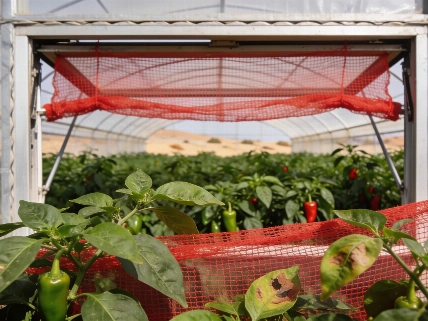
The 2026 Tomate Huevo de Toro campaign is underway in Málaga’s Guadalhorce Valley, where nearly 230,000 plants are in the ground and growers expect a yield of around 1.5 million kilos. Growers and chefs are preparing for a season that could outshine recent years marked by drought and uncertainty.
The first tomatoes are already being picked, slightly later than usual because of this year’s weather. Local producers are optimistic, viewing the return of stable rainfall as a turning point for the region’s agriculture. The campaign’s launch brought together farmers and restaurateurs, alongside officials from the Diputación de Málaga and Junta de Andalucía, to showcase the valley’s agricultural identity and its traditional ‘encañado’ growing method.
Season Highlights
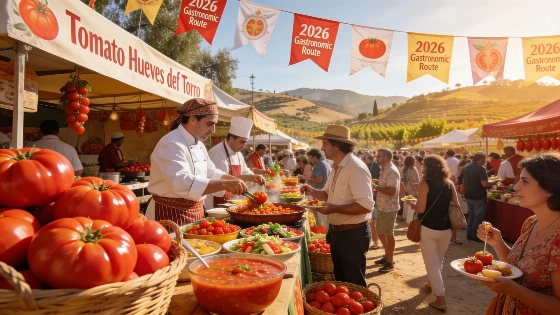
The Ruta Gastronómica Tomate Huevo Toro 2026 is basic to the festivities, running from July 31 to August 31. Restaurants and bars in Málaga city and along the Costa del Sol will feature special dishes built around this prized tomato, with venues in the Guadalhorce Valley also taking part. The route aims to connect diners with the season’s distinctive flavors, from classic gazpacho and porra to inventive salads and mains that showcase the tomato’s rich texture and sweetness.
Before the route officially begins, the Casa Museo Antonio Gala “La Baltasara” will host the Tertulia Gastronómica Tomate Huevo Toro on July 23. Culinary voices will gather to discuss the tomato’s role in local cuisine. The program also includes the poetry contest “Huevo Toro del Guadalhorce: el tomate que inspira,” with winners to be announced soon.
Tradition and Competition
August brings a series of community events, starting with the fifth Torneo de Golf Tomate Huevo Toro at Alhaurín Golf on the last Saturday of July. Coín’s Alameda square will host the Verbena Tomatera on August 13 and 14, a lively celebration that draws locals and visitors alike.
The season ends on August 15 with the traditional Concurso-Subasta del Tomate Huevo Toro in Coín’s Parque de San Agustín. The best tomatoes from Guadalhorce growers will compete for top honors, followed by a public auction of the winning lot, a highlight for producers and enthusiasts alike.
Local Impact and Broader Context
The Tomate Huevo de Toro campaign celebrates a single crop while reflecting the ability to recover and innovation of Málaga’s rural communities. As the tomato returns to markets and restaurant tables, it reinforces its status as a summer staple and an economic driver for the region. Across Spain, tomato producers face pressure from rising production costs and international competition. Valencia Fruits reported cost increases of 16% for energy and transport and 18% for plastics and packaging during the 2025/2026 campaign, while Spanish production fell by roughly 2%.
Trade data also show the competitive field: an analysis by Hortoinfo, reported by AS and based on Euroestacom figures, put Moroccan tomato sales in EU markets at about 493.33 million kilograms in the 2025/2026 campaign, compared with 475.8 million kilograms from Spain. FreshPlaza, citing Estacom data based on ICEX-Agencia Tributaria figures, reported an average Spanish tomato export price of €1.99 per kilogram, the highest in the previous ten campaigns. That national export average is distinct from the farm-gate price or economic return for Huevo de Toro growers.
Interest in preserving and reviving traditional Spanish tomato varieties has grown in recent years. In one example, a project in Palencia used century-old seeds to bring back a forgotten Soria tomato. Such efforts, covered in this report on Spain’s agricultural heritage, show the cultural and culinary value of local produce.
With the 2026 campaign underway, the Tomate Huevo de Toro remains a symbol of Málaga’s gastronomic identity and a reminder of the importance of supporting regional agriculture as the climate changes.