Toyota’s latest RAV4 Plug in Hybrid brings 304 horsepower and a bold new look. But with a price tag over 53,000 euros and fierce competition, convincing Spanish drivers to embrace plug in hybrids is a challenge Toyota cannot ignore.
Every RAV4 Plug in Hybrid that Toyota sent to Spain is already gone. Buyers snapped up the first batch, even with a price tag of 53,500 euros for the GR Sport trim. That’s a steep ask in a market where drivers want more than just horsepower and a familiar badge. The real question now: can this SUV change how Spanish drivers see Toyota and plug in hybrids?
Look under the hood. The RAV4 Plug in Hybrid is not shy. Its 2.5 liter petrol engine, running on the Atkinson cycle, puts out 185 horsepower. The electric motors do the heavy lifting. The front motor now makes 204 horsepower, up from 182. The rear motor adds 54 horsepower for all wheel drive. Together, they hit 304 horsepower. That would have sounded wild for a Toyota SUV not long ago. Highmotor reports the official retail price for the RAV4 Plug-in Hybrid 300 Advance in Spain starts at 50,750 euros before discounts. With official promotions, it can drop to 46,500 euros. The GR Sport is pricier, but it’s not the entry point.
Toyota RAV4 Plug-in Hybrid supports fast charging at up to 50 kW DC and 11 kW AC, allowing much quicker battery replenishment than typical hybrids.
But numbers only tell part of the story. The new lithium ion battery holds 22.7 kWh gross. That lets the RAV4 PHEV claim 100 kilometers of electric range under WLTP rules. The old model managed 75. This puts Toyota up against the most ambitious plug in SUVs out there. Fast charging up to 50 kW DC means you can go from 10 to 80 percent in just 30 minutes. That’s a real advantage for city and suburban drivers. Toyota Australia says the WLTP electric range can reach up to 121 kilometers, depending on the setup. Spanish market sources report a range between 100 and 137 kilometers WLTP. Toyota is clearly pushing for top EV-mode performance.
Inside, the RAV4 PHEV keeps things simple. Black dominates the dashboard. The 12.3 inch digital cluster and 12.9 inch main display are big and sharp, but the system feels old. Menus are shallow. Some features are hard to find. You can set up custom widgets, but the interface lags behind rivals. The head up display and 360 degree camera add some modern flair. Still, the tech package could use work.
Space is not a problem. The front seats are firm but comfortable. The rear bench gives plenty of leg and headroom. Even the middle seat, though tighter, can fit a third passenger if needed. The boot holds 446 liters and has room for two charging cables. You don’t lose practicality for performance here.
Recent Spanish sales data shows the Toyota RAV4 Plug-in Hybrid ranked just behind the Toyota C-HR PHEV in September, confirming strong demand and limited availability as units sell out quickly.
On the road, the RAV4 PHEV surprises. The GR Sport trim gets 20 mm wider tracks and special suspension tuning. The ride feels balanced and composed. The battery sits under the floor, lowering the center of gravity. That cuts body roll and keeps the SUV steady in corners. The suspension smooths out bumps. Steering stays light. Even when pushed, the RAV4 PHEV resists understeer. The rear can rotate a bit if you push it. That’s rare for a family SUV.
Efficiency is where this Toyota shines. In mixed driving—180 kilometers on the highway and 20 in city traffic—the average fuel use was 5.8 liters per 100 kilometers after the battery ran out. With a lighter foot, Toyota’s claim of 5.0 liters per 100 kilometers for a 304 horsepower SUV looks possible. That’s not just a technical win. It challenges the old idea that power and efficiency can’t go together.
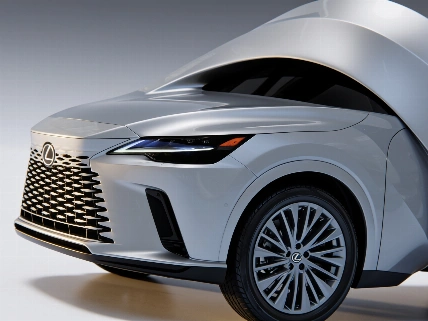
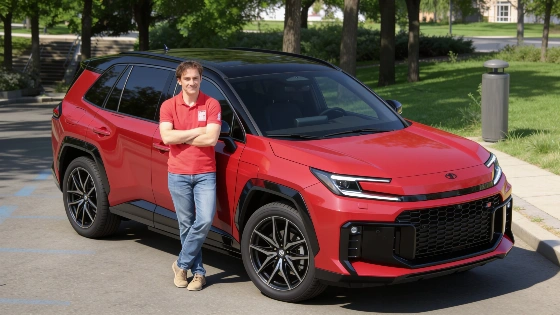
The design is sharper now. The latest RAV4 PHEV looks more premium and bold. Lines are crisp. Lighting is detailed. The GR Sport’s honeycomb grille, gloss black trim, and 20 inch wheels stand out. Toyota wants to move past its image as the maker of conservative, self charging hybrids. Now, style and substance have to work together.
The price is still tough to swallow. The last generation in this trim cost even more at 54,250 euros. The new Advance trim starts at 46,500 euros. The RAV4 PHEV is not the only SUV facing questions about value. All the first units sold out, so there’s clear demand. But keeping that demand will take more than early excitement. As new models from China and Europe arrive, Toyota has to prove its plug in hybrid is more than a tech demo. It needs to be a real choice for buyers.
This RAV4 Plug in Hybrid is Toyota’s statement. It delivers on efficiency, power, and everyday use. But its tech and price force Spanish buyers to rethink what Toyota and plug in hybrids mean. Early sales look good. The real test comes as rivals catch up and buyers expect more. For now, the RAV4 PHEV is a bold step in a market that wants more than small changes.