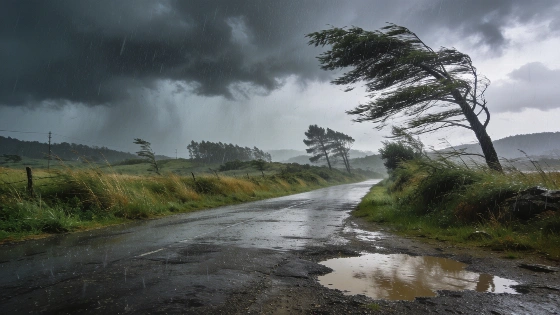
Barcelona just saw a tropical cyclone form over the Mediterranean—a first for the region. This rare storm, different from a medicane, puts a spotlight on the risks of a warming sea.
On the Mediterranean coast, something happened that no one expected. A tropical cyclone formed off Barcelona. Not a medicane. Not a hybrid. A real tropical system, the first ever recorded in these waters.
Medicanes sometimes hit southern Europe, but this was different. Juan Jesús González Alemán, meteorologist and researcher at the Agencia Estatal de Meteorología (Aemet), said the storm that hit Barcelona was a true tropical process. Local storms grew stronger, started to organize, and began to spin. This is classic tropical cyclogenesis. Until now, experts thought it couldn't happen here.
AEMET issued a special warning for 'very intense and prolonged rainfall' in eastern Spain and the Balearic Islands, with the most adverse period expected from October 1–3, 2026.
This wasn't just a technical detail. Medicanes are mid-latitude storms with some tropical traits. What hit Catalonia came from conditions found in the tropics: high sea temperatures and a supportive atmosphere. The cyclone didn't reach hurricane force, but its shape and movement matched storms seen in much warmer seas.
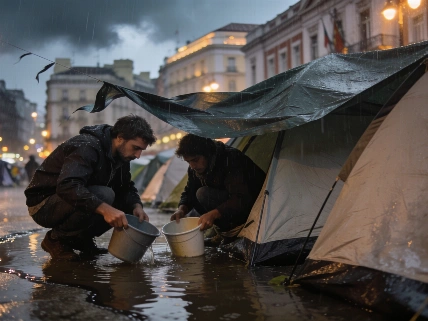
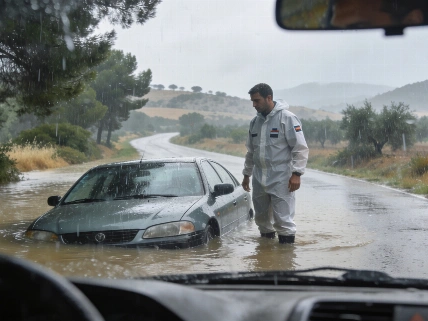
People in Barcelona felt the impact right away. Heavy rain and steady winds swept the city. Streets flooded. Daily life stopped. Weather models failed to predict the storm's path and strength. Wind speeds were lower than a classic medicane, but the storm still stood out. It caught forecasters off guard. AEMET reported that some parts of Barcelona and Girona saw more than 90 mm of rain in just one hour. Flash floods hit fast. Water levels rose quickly.
This was more than a weather oddity. The Mediterranean now has the heat and air patterns needed for tropical cyclones. Not long ago, that idea sounded impossible. Now, it is real. This changes the risk map for every coastal town in the region. Local authorities, including Protecció Civil, took action. They started the INUNCAT emergency plan, sent out ES-Alert warnings, and told people in 20 Catalan comarcas to stay inside and avoid outdoor activities.
Official warnings also mentioned the risk of very strong winds, hail, tornadoes, and waterspouts, with forecasts for over 200 mm of rainfall in less than six hours in certain areas.
Forecasting this kind of storm is tough. The usual models for Mediterranean weather couldn't keep up. Meteorologists now say the tools need an upgrade. The sea is changing. So are the risks. AEMET confirmed that the main threat was extreme rain, not a fully proven "tropical cyclone." The term "mini-hurricane" appeared in some independent reports, but it was never an official label.
Spain has seen more strange and dangerous weather lately. As reported earlier, the country has faced deadly events that exposed weak spots in its infrastructure and emergency plans.
The tropical cyclone off Catalonia is a warning. The climate here is shifting. What seemed impossible is now a real threat. Policymakers, scientists, and locals have a clear message: adapt and stay alert. The environment is changing fast. Independent reports noted that while this storm showed rare and risky organization over the Mediterranean, only a full review by AEMET, Meteocat, or a scientific study can confirm if it was truly the first pure tropical cyclone here.