Donald Trump published an AI-generated video showing explosions at Iran’s main oil export center. Iranian officials deny any attack, calling the footage fake. The incident triggered a sharp rise in oil prices.
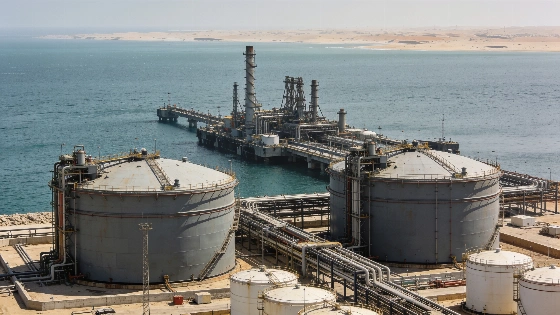
Donald Trump has sparked controversy by posting an AI-generated video on social media that appears to show the destruction of Jarg, Iran’s key oil export terminal in the Persian Gulf. The footage, which Reuters identified as manipulated, quickly drew international attention and led to a more than 3% jump in oil prices at market opening. The United States government has not commented on the alleged attack, but the economic impact was immediate as global markets reacted to the possibility of disruption in oil supply.
Jarg, responsible for handling 90% of Iran’s oil exports before the conflict that began on February 28 with US and Israeli involvement, is a critical asset for the Iranian economy. Any real damage to its infrastructure would have severe consequences for Iran, already under heavy sanctions and economic pressure from Washington. However, Iranian authorities moved swiftly to deny the authenticity of the video. Hamid Bovard, head of National Iranian Oil Co., stated that operations on the island remain normal and dismissed Trump’s claims as baseless, according to Nournews.
The timing of Trump’s message is notable, coming just hours after renewed military exchanges between the US and Iran. On Sunday, US forces struck two Iranian launch sites on Larak Island in the Strait of Hormuz, resulting in casualties among both civilians and military personnel, as confirmed by Iran’s Revolutionary Guard. In response, Iran launched missiles at two US bases in Jordan, though the projectiles were intercepted, according to the Iranian Foreign Ministry. Iranian forces also claimed to have targeted the Al Minhad airbase in the United Arab Emirates with drones, but the UAE’s Ministry of Defense denied any such attack, as reported by Reuters.
Iranian President Masud Pezeshkián, speaking from Kyrgyzstan, warned that Iran would not remain silent in the face of aggression, emphasizing that while Tehran does not seek war, it will respond firmly to attacks. The conflict, which began six months ago, has so far failed to deliver the quick victory Washington anticipated. Despite the death of Ali Jameneí, Iran’s former supreme leader, in the early days of the war, his son Mojtaba Jameneí has maintained control, and prospects for regime change remain distant.
On Sunday, Mojtaba Jameneí used Telegram to urge Muslim countries, especially those in the Gulf, to unite against what he called their “true enemy.” Since the US and Israeli strikes that killed his father, Mojtaba has not appeared in public, and his current condition is unknown.
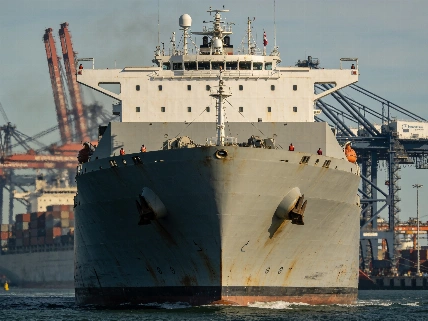
Washington’s strategy has shifted toward economic pressure, with new sanctions announced last week targeting countries supporting Iran. The Strait of Hormuz, through which about 20% of the world’s oil passed before the escalation, is now nearly closed, severely affecting global shipping. The number of vessels crossing daily has dropped from 130 to fewer than 20. The US has reinstated a blockade in the Gulf of Oman, inspecting all ships, while Iran has responded with attacks on vessels that do not comply with Revolutionary Guard protocols. On Monday, Iranian state TV reported that a supertanker caught fire and was immobilized after hitting two naval mines in Hormuz. The Revolutionary Guard stated the tanker was attempting to cross illegally and warned that other violators would face similar consequences.
Tehran has also addressed Israel, which participated in the February 28 attacks alongside the US. Iranian Foreign Minister Abbas Araghchi, in a message on X, accused Israeli Prime Minister Benjamin Netanyahu of manipulating the US into war with Iran. Araghchi referenced an Israeli TV interview in which Netanyahu allegedly boasted about influencing US policy, claiming it required over 1,000 hours of appearances on Israeli television.
The ongoing conflict and the spread of manipulated information, such as Trump’s AI-generated video, have heightened tensions in the region and contributed to instability in global energy markets. The situation remains fluid, with both military and economic fronts evolving rapidly.
Iran’s oil sector is central to its economy, and disruptions in the Persian Gulf have immediate global repercussions. The Strait of Hormuz is one of the world’s most strategic maritime chokepoints, and any escalation there can impact energy prices worldwide. The use of AI-generated content in political messaging adds a new layer of complexity, raising concerns about misinformation and its potential to influence markets and international relations. As the conflict continues, the risk of further incidents affecting oil supply and regional stability remains high.