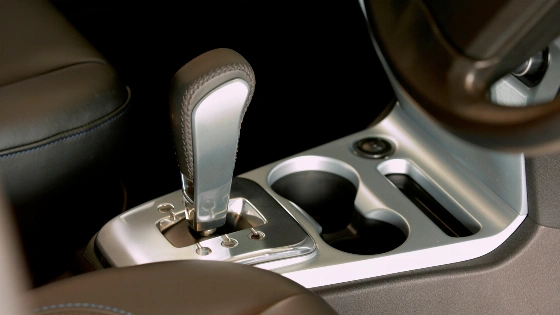
The RAC is calling for a major change in UK driving rules, suggesting that holders of automatic-only licenses should be able to drive manual cars after just one hour of practical training. The move aims to reflect the rapid shift in the car market and reduce bureaucratic hurdles.
Drivers in the UK who pass their test in an automatic car currently face a major obstacle if they later want to drive a manual: they must retake the entire practical exam. Now, the Real Automóvil Club británico (RAC) is urging a rethink, proposing that a single hour of focused instruction could be enough to qualify automatic license holders to drive manual vehicles legally.
The RAC's proposal comes as automatic cars become increasingly dominant in new registrations, driven by the rise of hybrids and electric vehicles. Yet, manual cars still make up a large share of the used market and remain common in rental fleets and commercial vehicles. This mismatch leaves many new drivers—especially younger ones—at a disadvantage when searching for affordable second-hand cars or job opportunities that require manual transmission skills.
Under current UK law, anyone who passes their driving test in an automatic car receives a license that explicitly forbids them from driving a manual. To lift this restriction, drivers must book and pass a second official practical exam, a process that can be costly and involve long waiting times. The RAC argues this is unnecessarily bureaucratic, given that these drivers have already demonstrated their knowledge of road rules and safe driving practices.
The club's alternative is a streamlined system: a 60-minute practical session with a certified driving instructor, focusing on clutch control, gear changes, hill starts, and avoiding engine stalls. After completing the session, the instructor would issue a digital certificate, allowing the driver to update their license without the need for another state exam or additional administrative fees.
Not everyone is convinced. Road safety advocates and examiner associations warn that mastering manual transmission—especially under pressure in busy traffic—often takes more than an hour. They point out that the stress of stalling at a crowded intersection or roundabout can pose real risks, and suggest that any reform should include either a longer training module or a final assessment by the instructor before the license is upgraded.
This debate highlights the growing tension between outdated regulations and the realities of a rapidly changing car market. As the shift to electric and hybrid vehicles accelerates, the traditional manual gearbox is becoming less relevant in new cars, but remains a practical necessity for many drivers. The RAC's proposal aims to prevent the licensing system from becoming a bottleneck for those needing flexibility for work or personal reasons.
Similar questions about adapting to new automotive technologies have surfaced elsewhere. For example, the challenges of integrating electric solutions into existing fleets were explored in a recent report on how US companies are retrofitting diesel trucks with electric trailers to modernize without full replacement.
For now, the UK government has not signaled whether it will adopt the RAC's proposal. But as the car market continues to evolve, pressure is likely to grow for licensing rules that better reflect the skills drivers actually need—and the vehicles they are most likely to encounter on the road.