Ukraine has begun using advanced weapons like the Bars missile-drone to strike deep inside Russia. These attacks target critical infrastructure and aim to isolate Crimea, signaling a new phase in the conflict.
Ukraine has intensified its campaign against Russian military and infrastructure targets, deploying new domestically developed weapons capable of reaching deep into Russian territory. The latest operations have seen Ukrainian forces use the Bars missile-drone, introduced in 2025, to strike highly protected sites in cities such as Moscow and Saint Petersburg, as well as key logistical points in the south, including the occupied Crimean peninsula.
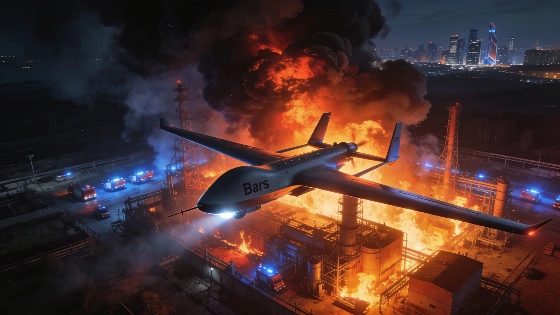
According to Ukrainian defense sources, the Bars drone has become a central element in these attacks. With a range of up to 1,000 kilometers and speeds reaching 700 kilometers per hour, the drone is designed to evade Russian air defenses, which are reportedly facing shortages of surface-to-air missiles. The Bars is equipped with Starlink connectivity and advanced navigation systems, allowing it to distinguish between enemy and friendly aircraft and to operate at varying altitudes for over two hours. Its relatively low production cost and domestic manufacturing have enabled Ukraine to scale up its use in recent months.
Recent strikes have targeted critical infrastructure, including energy facilities and transport links. In one notable incident, a Ukrainian attack left the city of Sevastopol, home to around 350,000 residents, without electricity after its main power station was hit. Ukrainian tactics have also focused on isolating Crimea by repeatedly targeting bridges, roads, railways, and ferries connecting the peninsula to mainland Russia. Military analysts in Kyiv note that these operations are achieving results not seen earlier in the war, disrupting Russian logistics and weakening the Kremlin's hold on occupied territories.
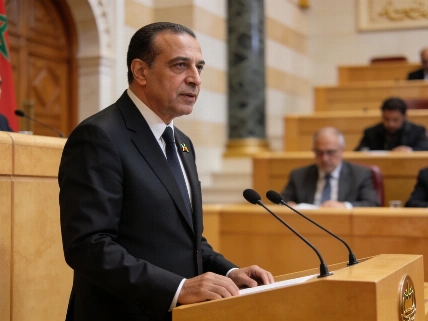
Ukraine's approach has shifted in part due to the leadership of the new Minister of Defense, Mijailo Fedorov, who previously headed the Ministry of Digital Transformation. Under his direction, the Ukrainian military has prioritized technological innovation and the rapid development of new weapons systems. Fedorov recently stated that drones now account for over 90% of Russian losses, with more than 800,000 Russian targets struck since early 2026, including air defense systems, artillery, missile launchers, logistics vehicles, and electronic warfare assets.
Alongside the Bars, Ukraine has fielded other domestically produced weapons such as the Flamingo missile and FP2 and FP1 drones from Fire Point, as well as the Liutyi and Morok kamikaze drones. The absence of U.S.-supplied Tomahawk missiles has pushed Ukraine to accelerate its own weapons programs, with support from European partners also under consideration. Experts suggest that Russia's difficulties are compounded by shortages of personnel, technology, and funding, as well as ongoing international sanctions.
Military strategists in Kyiv believe that isolating Crimea could be more feasible than retaking the Donbas region, given the peninsula's geography. The current phase of the campaign aims to cut off supplies of fuel, water, and electricity to Russian forces in Crimea, with the ultimate goal of making the territory untenable for occupation. The Kerch Strait bridge, a vital link between Crimea and Russia, remains a key target for future operations.
For context, the conflict in Ukraine has now lasted over four years, with both sides suffering heavy casualties. The use of advanced drones and missiles marks a significant evolution in Ukraine's military capabilities, allowing it to challenge Russian positions in ways that were previously considered impossible. The ongoing attacks on Russian infrastructure and the focus on Crimea reflect a broader strategy to weaken Russia's military potential and disrupt its ability to sustain the war effort.
As of 2026, Ukraine's defense industry has rapidly expanded, with local companies playing a crucial role in supplying the armed forces. The shift toward technological innovation and the development of indigenous weapons systems has allowed Ukraine to adapt to changing battlefield conditions and maintain pressure on Russian forces, despite limited access to Western long-range missiles. The situation remains dynamic, with further escalation or changes in tactics possible as both sides adjust to the evolving conflict.