The judge overseeing the Sijena case barred Spain’s Culture Ministry from preparing reports on the paintings’ transfer because the ministry is represented on the MNAC’s board. Culture Minister Ernest Urtasun cited that restriction as he criticised the handling of the move.
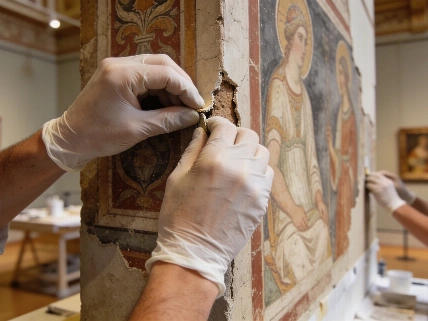
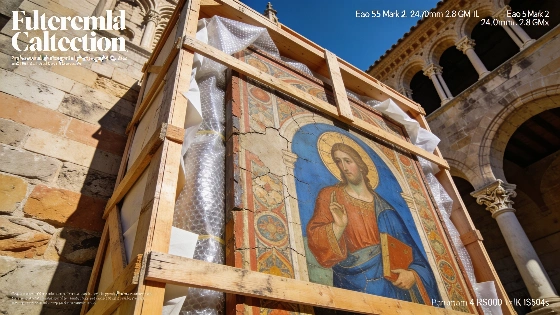
The Museu Nacional d'Art de Catalunya (MNAC) began transferring eight secular paintings to the Monastery of Santa María de Sijena in Huesca on 17 November, under a court ruling. The works had been held at the Barcelona museum for about 66 years. Specialists are protecting and consolidating the paintings before packing them for transport to Aragón. The transfer follows a judicial restitution order, not a negotiated museum-to-museum loan.
The ruling followed several stages of litigation. Huesca Court No. 2 ordered restitution on 4 July 2016, the Provincial Court of Huesca upheld the order on 2 October 2020, and the Supreme Court rejected the final appeals on 27 May 2025. The enforcement covers the eight paintings as well as the monastery’s Sala Capitular murals. Speaking in an interview with SER Catalunya, Urtasun said the ruling had disregarded the museum technicians’ criteria, while acknowledging that it had to be obeyed.
He said the dispute was already before the courts when he became minister. Had it been at a different stage, he suggested, he might have acted differently. He also accused the Government of Aragón of showing too little respect for the MNAC’s technical staff. The museum has raised concerns about whether moving the murals is technically feasible and about the information available on their destination.
Aragón’s vice-president Mar Vaquero attacked Urtasun’s comments, describing his conduct as politically provocative and accusing him of cowardice. On 18 November, she said Aragón had consistently sought cooperation and argued that the judgment had to be carried out. In her view, further requests for information risked delaying compliance. She also warned that obstruction of the court order could carry legal responsibility.
Vaquero said the return of the secular paintings was the first stage of a wider process that also covers the monastery’s Sala Capitular murals. A court timetable set 56 weeks for their return, counted from 13 April 2026, with a deadline reported as 10 May 2027. The court kept the timetable in place despite MNAC’s technical objections. Vaquero said the schedule was being breached deliberately, not because of force majeure.
She said Aragón would seek subsidiary enforcement if necessary and warned that the regional government would pursue responsibility from those required to meet the schedule. Aragón’s Director of Culture, Pedro Olloqui, described the November operation as the practical starting point of the return, while the murals remain subject to the longer timetable. In separate political coverage, a report on the OIT covered Yolanda Díaz’s withdrawal from its leadership contest.