US Deploys USS Abraham Lincoln to Cuba After Tightening Sanctions. Washington has intensified sanctions against the Cuban authorities and sent an aircraft carrier to the island. The decision is linked to recent events in Havana and demands made to Cuba's government. The country's authorities have already responded to the US move.
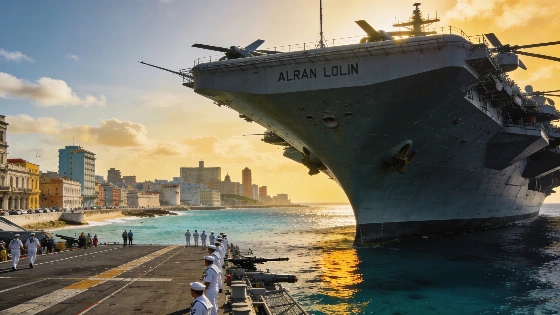
The US has sharply increased pressure on Cuba: after tightening sanctions against the country's leadership, the Donald Trump administration announced the deployment of the aircraft carrier USS Abraham Lincoln to the island's shores. This decision was a response to a mass demonstration in Havana and new moves by the Cuban authorities, who, in Washington's view, continue to support a repressive regime.
According to American media reports, Donald Trump stated that 'Cuba is the next step' and that US military forces are ready to act immediately after completing operations in Iran. The president emphasized that the USS Abraham Lincoln would be stationed just a hundred meters off the Cuban coast, awaiting a response from local authorities. These statements, made at a public event in Florida, sparked widespread reaction among politicians and experts.
Sanctions and demands
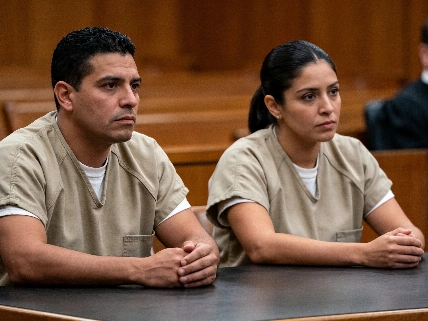
On the same day, the White House signed a new package of sanctions targeting high-ranking representatives of the Cuban regime and organizations supporting the country's security system. The restrictions apply to those whom the US considers responsible for human rights violations and corruption. Specific names have not yet been disclosed. Washington also issued Havana an ultimatum: to release more than 1,200 political prisoners, carry out economic reforms, and secure the resignation of President Miguel Díaz-Canel.
In response, the Cuban Foreign Ministry accused the United States of attempted pressure and stated that the country will continue to resist foreign interference. Foreign Minister Bruno Rodríguez said that, despite domestic protests within the US itself, Washington is trying to punish Cuba for its independent stance.
Contacts and Internal Processes
According to media reports, a direct channel of communication remains between US officials and members of the Cuban elite. In particular, there are contacts with Raúl Guillermo Rodríguez Castro, known as 'the Crab', who is responsible for Raúl Castro's security and was present at the May Day rally in Havana. According to official data, the demonstration gathered more than six million signatures against the war, but its scale proved much more modest than in previous years.
In the context of mounting pressure on Cuba, it is worth noting that similar measures were previously applied by the US to Venezuela. As RUSSPAIN notes, the region has already seen cases of large-scale military presence comparable to the times of World War II. For more details about political visits and conflicts in Latin America, see the article on the recent trip of Madrid’s leader to Mexico. in our review of diplomatic disagreements.
Background
USS Abraham Lincoln is one of the largest aircraft carriers in the US Navy, capable of carrying more than 70 planes and helicopters. Its presence off the coast of Cuba could become the most significant US military maneuver in the region in recent decades. Cuban authorities continue to assert their independence and reject any demands for a change in political course.