Seat’s future is up for debate as Volkswagen’s board meets to set a new direction. Spanish sales are up, but with no new models and industry pressure mounting, the brand faces tough questions.
The Volkswagen board meets tomorrow to decide what comes next for Seat, a brand that has long represented Spanish carmaking but now finds itself at a crossroads. Seat’s sales in Spain are rising, but its future direction is anything but certain.
Speculation about Seat’s long-term outlook has grown in recent months, fueled by leaked reports and the absence of new models. An internal document that surfaced just before the board meeting outlines a scenario where Seat could be phased out by the end of 2029, with resources and production shifting to Cupra. German and international media report that Volkswagen is actively considering this plan, but no final decision has been made. The board is still reviewing the options.
"The upcoming Volkswagen board meeting will also address a potential reduction of up to 50,000 jobs across the group, with about half of those cuts possibly affecting Germany."
— Reuters
Despite the uncertainty, Seat’s sales figures show some resilience. By the end of August, the brand delivered 47,829 vehicles in Spain, a 4.28% increase over last year. The Seat Ibiza stands out, with 19,837 units sold, making it Spain’s second-best-selling car and up 27.14% year-on-year. The Arona follows with 14,993 sales. The León and Ateca have seen declines, reflecting an aging lineup that needs renewal.
These gains haven’t shielded Seat from the broader changes at Volkswagen Group. The parent company is planning a major labor overhaul, with 50,000 jobs in Germany at risk. The restructuring affects all subsidiaries, including Seat, as Volkswagen looks to streamline operations and focus on technology. According to Reuters, the board meeting in early September will consider a major restructuring plan. The outcome depends in part on the voting power of Lower Saxony and employee representatives, who hold a blocking minority.
Seat’s leadership has tried to calm speculation, saying, "No decision has been made at this time," and promising to communicate any changes when they are final. The company points to the wider transformation in the auto industry, driven by electrification and changing consumer tastes. Still, the lack of new Seat models and the brand’s slow pace compared to rivals have raised doubts about its future within the group.
"Internal leaks suggest that Volkswagen’s current strategy prioritizes efficiency and electrification, viewing the continued existence of Seat in its traditional form as a drain on resources. As a result, sales, product development, and manufacturing could be increasingly shifted to Cupra if the restructuring plan is approved."
— Carscoops
For many Spanish drivers, Seat’s appeal is practical and familiar. Buyers often prefer its traditional interiors over the screen-heavy designs of competitors. This loyalty has kept Seat’s registration numbers steady, even as new models have become scarce.
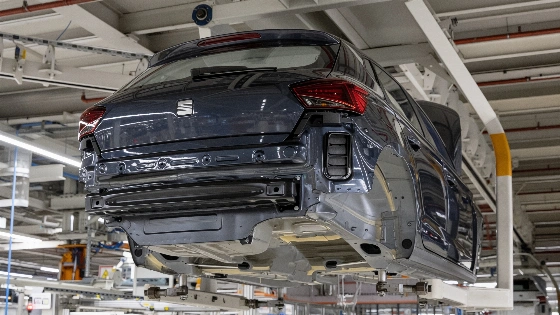
The board’s decision could reshape not just Seat’s future, but also the industrial landscape of Martorell and the wider Spanish car sector. Volkswagen says it wants its brands to be "more efficient and agile," but that may mean Seat is gradually sidelined in favor of more profitable or future-focused divisions.
Earlier restructuring plans already hinted at a possible phase-out of Seat in favor of Cupra, as previously reported. Tomorrow’s meeting could speed up that process or give Seat a temporary reprieve, but the direction is clear: Volkswagen is focusing on brands and models that fit its electrification and profit goals.
Seat’s current situation comes down to stalled strategy and shifting priorities at the top. The brand’s sales in Spain show it still matters to buyers, but without investment in new models and with Volkswagen’s push for efficiency, sentiment alone may not be enough. Unless the board commits to Seat’s future with real product plans, the brand risks fading from the group’s lineup. For now, Seat’s fate is undecided—a sign of how quickly even established names can be left behind when the numbers don’t add up.