Most Spanish families feel calmer after protecting their children against VRS. Yet almost half still do not clearly understand the virus, and many expect an infection to affect work and household finances.
Eight in ten Spanish families fear that a baby with respiratory syncytial virus or bronchiolitis could end up in hospital. The worry reaches beyond the child's health. Nearly eight in ten parents also expect an infection to affect the family budget. After Spain introduced immunisation plans, 95 percent of families who protected their children said they felt calmer.
The figures come after three seasons of the programmes. They form part of a Sanofi market study of 1,322 parents with children up to three years old. The research looked at what families know about VRS and bronchiolitis. It also asked how they viewed the effects of an infection.
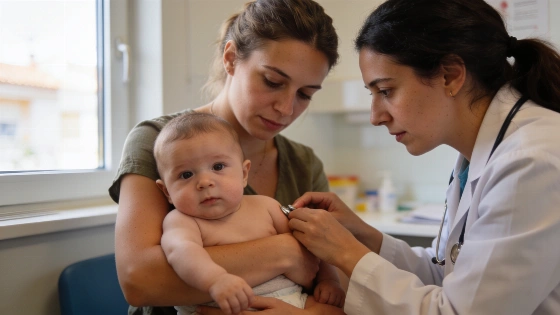
Andalusia reported that around 55,000 infants received RSV protection during the previous season, representing approximately 96 percent of newborns in the region.
The sense of relief has a practical side. Regional programmes now cover a large share of children. VRS prevention has become a broad public health measure, not a service reserved for a small group of babies at high risk.
Six in ten parents worry that caring for a sick child could force them to miss work. Almost eight in ten think an infection could hurt the household economy. Lost income from time away from work weighs more heavily on families than direct medical or care costs, the study found.
Information is still the weak point. Twenty-seven percent of respondents know the virus by name but do not know what it involves. Another 18 percent have never heard of it. Awareness has grown in recent years. Almost half of the families surveyed still do not have a detailed understanding of VRS.
The Spanish Ministry of Health has cited preliminary national estimates of roughly a 71 percent reduction in hospitalisations among infants under one year old, while effectiveness during the first year of the programme was assessed at close to 80 percent.
Regional figures tell a similar story. Health authorities in the Canary Islands said more than 10,000 children received protection during the 2024-2025 campaign. Compared with 2022, hospitalisations among children under one year fell by 78.6 percent. Intensive care admissions fell by 86.67 percent.
Paediatricians are the main source of information for parents. Eighty-four percent said they first heard about the virus from a doctor. Family and friends accounted for 31 percent. More than 20 percent named nurses, search engines, or social networks.
Four in ten families now link VRS to infections in children. Forty-two percent specifically connect it with babies or young children. The comparable figures were 27 percent for influenza and 16 percent for illness caused by COVID-19. Recognition is growing. Full understanding has not caught up.
The same gap appears among families that chose not to protect their children through the immunisation plans. According to the study, 84 percent of those parents said they would have protected their baby if they had received more information before deciding. The need for clear medical guidance also contrasts with access questions raised in an earlier health report.
There have also been a few possible breakthrough infections. Researchers in Spain identified three cases of bronchiolitis in infants linked to an RSV variant that may reduce the effect of the preventive treatment. Experts said the cases do not undermine the wider effectiveness of nirsevimab. Hospitalisations fell substantially after its introduction.
The issue reaches beyond medicine. For parents, VRS also means anxiety, hospital care, missed work, and lost income. Sanofi's findings link immunisation with greater calm. The remaining knowledge gap gives paediatricians and other health professionals a clear job: explain the virus before families have to decide.