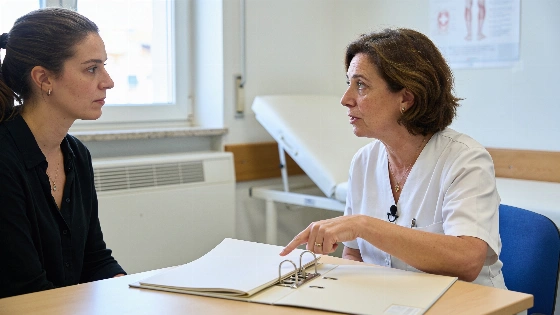
Spain's Health Ministry will prepare changes to bring medication abortion into primary care. The plan is meant to shorten journeys and give women clearer medical support when they choose this method.
On 28 September 2026, Health Minister Mónica García announced the plan in Madrid. The Health Ministry will start the regulatory work needed to make medication abortion available outside hospitals when the method is appropriate. Women could receive care closer to home, with medical guidance throughout the process.
García presented the proposal at an event titled "Abortar sin barreras: del reconocimiento del derecho a la garantía efectiva del acceso". Equality Minister Ana Redondo joined her for Día Internacional del Aborto. García said the service should offer advice before the procedure and support during and afterwards.
The plan is still pending.
In 2024, 78.75% of abortions in Spain took place in private centres, while 21.25% were performed in the public sector, according to official figures cited by the government.
The measure is not yet in force.
Sanidad plans to amend the royal decree that governs healthcare centre authorisation. The change would set requirements for medication abortion in primary care facilities. The ministry also intends to begin updating the technical information for mifepristone, one of the medicines used in medication abortion. That update would allow use outside an exclusively hospital setting.
A further change would add the service to the common portfolio of the Sistema Nacional de Salud. The rollout would need agreement with Spain's autonomous communities and healthcare professionals.
Women should know where to go. They should receive enough information to make a choice and have a medical team available throughout the process. García described the practical aim in simple terms: fewer journeys, a clear contact for questions and continued care from professionals familiar with the case.
Regional differences are already visible in the use of medication abortion. In 2024, the method accounted for 86.4% of abortions in Cantabria, 76.5% in Navarra, 68.2% in La Rioja and 68.1% in Galicia, according to figures cited in coverage of the ministry’s initiative.
The current pattern of care helps explain the proposal. In 2024, almost eight out of ten voluntary terminations of pregnancy took place in private centres. In the Community of Madrid, more than 99% of abortions were carried out in the private sector, according to figures repeated in government and media reports.
Some autonomous communities have already moved most of this care into the public health system. Sanidad says those regions can offer models for others. A separate report on Madrid housing pressure shows how access to public services can depend on daily travel and practical support, not only on formal rights.
The pattern also affects the method women receive. Medication abortion is more common where abortion care is more integrated into the public system. Surgical procedures are more common in regions that rely heavily on private clinics.
In 2024, surgical abortions made up 86% of the total in Andalusia and 94% in Madrid. The figures show how differently care is delivered across Spain.
That gap is already clear.
García said abortion access must be guaranteed across Spain. She said regional governments are responsible for providing the service. She also referred to the institutional campaign recently presented by Sanidad.
The minister defended different ways of experiencing an abortion. She said a woman should not have to prove distress for her decision to be legitimate. Sanidad launched the wider campaign in late September 2026. It focuses on stigma and guilt around abortion while the government presses autonomous communities over gaps in public-sector access.
El País reported that the planned changes would allow primary-care centres to prescribe medication abortion. At present, the route is concentrated in hospitals and private providers. Advocacy and healthcare organisations have described the existing system as deep territorial inequality. Access depends on the autonomous community and on the availability of private clinics.
The proposed changes would move attention from recognising the right to organising care around the patient's local health centre. The ministry has named the barriers it wants to reduce: distance, uncertainty about where to seek help and the lack of continuous support.
The decree, medicine information and service portfolio still need to change. Until then, the plan remains a government initiative rather than a nationwide service. Its value will depend on whether primary care can offer the route in every community, instead of making access depend on location or private provision.