Nine out of ten families say immunising their children against VRS gave them greater peace of mind. A Sanofi study also found large gaps in parents' knowledge and concern about the cost of caring for a sick baby.
Spain introduced its VRS immunisation plans three seasons ago. Among families who have immunised their children against respiratory syncytial virus, 95 percent now feel greater peace of mind. Many parents still know the virus's name without knowing what it can mean for a young child.
The finding comes from a Sanofi market study of 1,322 parents with children aged up to three years. Four in ten families connect VRS with childhood infections. Another 42 percent identify it specifically as a virus that affects babies or young children.
That puts VRS ahead of influenza at 27 percent and COVID-19 at 16 percent when parents are asked which infections affect the youngest children.
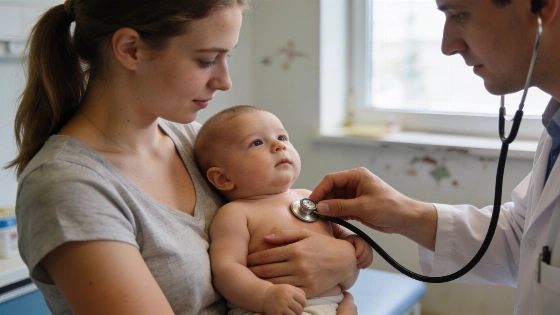
In Spain’s regional prevention plans, nirsevimab is generally administered as a single dose to babies born during the RSV season and to certain children in higher-risk groups.
The strongest source of information is not social media or family advice. It is the doctor.
About 84 percent of respondents say a doctor first told them about VRS. The paediatrician had the biggest role. Relatives and friends were mentioned by 31 percent of those surveyed. More than 20 percent cited nurses, search engines, and social networks.
Knowledge has not caught up with the prevention plans. Twenty-seven percent of parents recognise the virus's name but do not know what it can do. Another 18 percent say they have never heard of VRS.
Almost half of families therefore lack a detailed understanding of the infection or its possible link to bronchiolitis.
Andalusia reported that about 55,000 babies received RSV immunisation in the previous season, equivalent to 96 percent of newborns in the region. For the 2026 campaign, the region is also extending prevention from 1 October to residents of care homes and people with severe immunosuppression.
Hospital treatment causes the greatest fear. Almost all respondents say that VRS or bronchiolitis in their baby would affect their own emotional wellbeing and that of their partner to some degree. Eight out of ten families specifically mention anxiety about a hospital admission.
The worry reaches beyond the child's health. Nearly eight in ten parents believe an infection could hurt the family economy. Six in ten fear missing work to care for their baby.
The study says lost income and time away from employment drive that concern more than direct medical or care costs.
This is why information matters outside the consulting room. A separate health access report also found that the route to medical support can shape people's decisions, although it covered different treatments.
Spain's 2026 prevention campaign is continuing across the regions. Starts are scheduled from late September into early October. Andalusia began its infant campaign on 21 September. Other autonomous communities set launches for 28 September and 1 October, alongside seasonal plans for influenza and COVID-19.
Nirsevimab remains the main preventive tool against severe RSV in infants. Materials referring to the Spanish Institute of Health Carlos III say earlier evidence showed an approximately 80 percent reduction in hospitalisation risk among infants under one year old.
Protection is not complete. Spanish researchers have reported three paediatric RSV cases that evaded the effect of nirsevimab. Prevention lowers the risk, but it does not stop every infection.
Among families who did not protect their children through the immunisation plans, the main reason given was a lack of information. Yet 84 percent of those families say they would have protected their baby if they had received more information before making the decision.
Parents need clear guidance before a baby becomes ill or a hospital stay becomes possible. The paediatrician is already the source families trust most.
The gap is not simply whether parents recognise the name VRS. They need information that can help them decide. Sanofi's survey found that 95 percent felt calmer after immunisation, while 84 percent of families who did not immunise said better information could have changed their choice.
Clear communication belongs at the centre of Spain's immunisation plans.