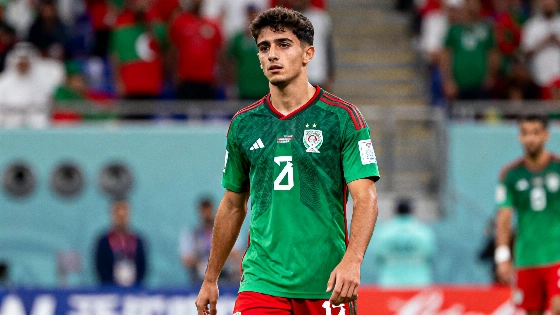
Brahim Diaz Becomes a Key Player for Morocco After Spain Snub. Brahim Diaz has officially switched football federations and now plays for Morocco. His decision has become a major event for Spanish football. Questions regarding transfer rules and the response of the federations remain pressing.
Brahim Diaz, who previously played for Spain’s youth teams, has now become a central figure for Morocco’s national team. His switch to another football federation sparked significant debate: for Morocco, it’s the acquisition of the decade, while for Spain it’s a source of discussion and controversy. Diaz’s decision to forgo prospects with La Roja and choose the Atlas Lions became possible after the Spanish federation excluded him from their plans, despite his successful seasons with Milan and Real Madrid.
On March 13, 2024, Brahim Diaz’s name appeared for the first time on Morocco’s official national squad list, marking a notable event for the local federation. According to sources, the lack of attention from Spanish football authorities pushed the player to change his sporting citizenship. The Moroccan federation negotiated with Diaz for several weeks, offering him a key role in the national team.
Diaz’s move complied with all FIFA requirements for switching football associations. According to the regulations, a player may change his national team if, at the time of his first official match for the previous team, he did not have citizenship of the new country, and if he or his parents, or grandparents, were born in the new federation’s territory, or he has lived there for at least five years. In Brahim Diaz’s case, the decisive factor was the dual nationality of his paternal grandmother, Purificacion Abdelkader, a native of Melilla.
The Spanish side's reaction to Díaz's departure was restrained. The head coach of the Spanish national team, who had previously worked with him in the youth squad, emphasized that choosing a national team is a personal decision for each player. He also reminded of three key conditions for a call-up: having the right to play, the player's desire, and the coach's decision.
The situation with Brahim Díaz is reminiscent of other cases where Spanish athletes or coaches have chosen new national teams. For instance, recently coach Julen Lopetegui agreed to head the Qatar national team after working with Spain, which also sparked discussion in football circles. More about similar moves can be found in the article on Lopetegui's appointment as Qatar’s head coach — details here.
For reference: Brahim Díaz was born in Malaga, rose through all levels of Spain’s youth national teams, but did not secure a regular place in the senior squad. In recent years, he has become one of Real Madrid’s leaders and attracted the attention of the Moroccan federation. Changing sporting nationality in football is regulated by strict FIFA rules, and cases like Díaz’s are becoming increasingly prominent amid the globalization of football talent. In Spain, such moves spark debate about the strategies of national federations and talent development.