Cape Verde to Make Debut at 2026 World Cup: Impact on Diaspora and Football. Cape Verde will debut at the FIFA World Cup. This event has united people in the country and within the diaspora. Politicians from other nations have also expressed unexpected support for the island team.
For the first time in history, the Cape Verde national team has qualified for the FIFA World Cup, which sparked significant response not only on the islands but also among the large diaspora in the US and Europe. Authorities and citizens of the country note that the team's success has become a symbol of national unity and pride for the half-million population of the archipelago.
Particular attention was drawn to the public support for the Cape Verde team from the President of Timor-Leste and Nobel Peace Prize laureate José Ramos-Horta. He stated that he is ready to jeopardize his own political prospects to support the 'tubarões azuis', despite the traditional allegiance of Timor-Leste's residents to the Portuguese national team. According to him, it proved difficult to find a Cape Verde flag in Timor, but he intends to display it on his car.
The historical ties between Cape Verde and Timor-Leste date back to the era of Portuguese colonialism. In the 20th century, these countries supported each other in the struggle for independence, which continues to influence relations between their peoples. In football, however, Portuguese symbols still dominate in Timor, highlighting the complexity of post-colonial identities.
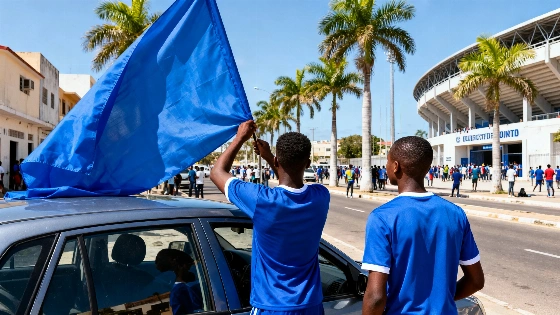
Cape Verde's path to the World Cup became possible thanks to players from the diaspora living in the USA and Europe. The team confidently passed the qualifying stage, taking first place in their African group and defeating experienced rivals, including Cameroon. On the day of the decisive match at the stadium in Praia, fans held a symbolic act: an inflatable shark 'ate' a shrimp, alluding to the victory over Cameroon.
For Cape Verde, participating in the World Cup is not only a sporting achievement but also a way to strengthen ties with the descendants of emigrants, especially in Massachusetts, Rhode Island, and Connecticut, where hundreds of thousands of islanders reside. Many of them plan to support the team at the matches in the USA, giving the tournament added significance for the entire community.
Interest in Cape Verde's debut at the 2026 World Cup is also fueled in Spain, where football forecasts and the unexpected successes of African teams are regularly discussed in the media. Analysis by Spanish forecasting models shows that new participants are capable of surprising even experienced favorites.
For reference: Cape Verde is a small island nation in the Atlantic, a former Portuguese colony that gained independence in 1975. In recent decades, the country has been actively developing sports and maintaining ties with the diaspora. In 2026, the FIFA World Cup will be held for the first time with 48 teams, creating new opportunities for national teams from Africa and other regions.