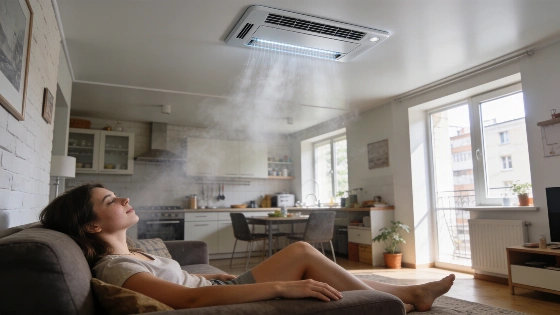
Simply rinsing your air conditioner’s filters won’t prevent bad odors, malfunctions, or rising energy costs. Technicians stress that the evaporator coil, turbine, and outdoor unit also need attention for safe, efficient cooling as temperatures climb.
When the first heatwave hits, many households rush to restart their air conditioning after months of disuse. The usual routine—removing and washing the filters—may seem sufficient, but according to a technician from SIT Granollers, this is only the beginning of proper maintenance. Overlooking the rest of the system can quietly undermine performance, drive up electricity bills, and even compromise indoor air quality.
Beyond the Filters
Filters are designed to trap dust, pollen, and airborne particles. If left clogged, they restrict airflow, making it harder for the unit to reach the desired temperature. This not only strains the system but can also cause unpleasant odors and uneven cooling. The Institute for Energy Diversification and Saving recommends regular filter cleaning, but also emphasizes that full maintenance is essential for efficiency and longevity.
However, as the SIT Granollers technician points out, filters are just the first checkpoint. The real trouble often lurks deeper inside the unit, where most homeowners never look.
Hidden Risks Inside the Unit
The evaporator coil (often called the battery) and the turbine are critical for cooling and distributing air. Both are tucked away inside the indoor unit, out of sight and typically out of mind. During operation, moisture and dust accumulate on these components, creating a breeding ground for bacteria and mold. A dirty turbine can weaken airflow, while a fouled coil impairs heat exchange and can be a source of persistent odors.
Cleaning these parts is not a simple wipe-down. It requires opening the unit, protecting electrical components, and using the right cleaning agents—tasks best left to professionals. Attempting a superficial clean risks missing the buildup that causes most operational issues.
Don’t Forget the Outdoor Unit
Maintenance doesn’t stop indoors. The outdoor unit, which houses the compressor and external coil, is exposed to leaves, dust, and debris that can block airflow and trap heat. Technicians recommend checking electrical connections and monitoring energy consumption for both indoor and outdoor units. These checks can reveal early signs of trouble, helping to prevent breakdowns and unexpected spikes in energy use.
Manufacturers like Daikin advise that deep cleaning and technical inspections should always be performed by qualified personnel. Using the wrong cleaning products—such as bleach on certain coils—can accelerate corrosion, especially on copper and aluminum components. For filters, most brands suggest water, a vacuum, or mild detergent, always following the specific manual for your model.
Choose Cleaning Products Carefully
Not all cleaning solutions are safe for every air conditioner. While some technicians mention bleach for disinfecting coils and turbines, this is not universally recommended. Daikin, for example, explicitly warns against bleach on some of its coils due to the risk of damaging sensitive metals. The safest approach is to let service professionals select the right products and methods, ensuring compatibility with your unit and avoiding chemical residues that could circulate through your home.
For those considering broader home upgrades, the trend toward easier-to-clean fixtures is growing. As seen in the shift to walk-in showers for their accessibility and hygiene benefits, detailed in this recent analysis of bathroom renovations, the principle applies: thorough, professional maintenance pays off in comfort and long-term savings.
In summary, a quick filter rinse is no longer enough for modern air conditioning systems. Comprehensive, regular maintenance—covering internal components and the outdoor unit—protects your investment, keeps energy costs in check, and ensures the air you breathe stays fresh all summer long.