A growing number of people are turning to a mix of baking soda and toothpaste to clean glass items like jars, tables, and shower screens. This method targets fingerprints and surface stains, but requires careful use to avoid damaging delicate finishes. Here’s how and when it works best.
Stubborn fingerprints and dull patches on glass can be frustrating to remove, especially when standard cleaning methods fall short. Recently, a homemade solution—combining baking soda with basic white toothpaste—has caught the attention of those seeking a practical way to restore shine to glass surfaces without resorting to harsh chemicals.
This blend is valued for its targeted cleaning power. Baking soda brings a gentle abrasive quality, while toothpaste contains mild polishing agents designed to lift stains. When used together, they can help dislodge dried-on grime, light grease, and marks that resist ordinary wiping. However, the method is not suitable for every type of glass. According to Talent24h, it should be avoided on delicate glass, mirrors, screens, or any surface with protective coatings, as abrasives may cause scratches or clouding.
How the Mixture Works
The main advantage of this homemade paste is its ability to address specific problem areas—such as fingerprints, dried residue, or greasy smudges—on robust glass items. It is commonly used on glass jars, tabletops, and untreated shower screens. The cleaning effect comes from the friction of fine particles in both ingredients, which help break down and lift away surface dirt. Whitening toothpastes, which often contain stronger polishing agents, can be too harsh and are best avoided for this purpose.
For optimal results, experts recommend choosing a plain, non-whitening toothpaste without visible granules or activated charcoal. The goal is a gentle, localized clean—not a substitute for products designed to tackle heavy limescale or mineral buildup.
Preparation and Application
To prepare the mixture, combine one tablespoon of baking soda with a small amount of toothpaste in a bowl. Mix until a smooth, spreadable paste forms; if it is too thick, add a few drops of water, but avoid making it runny. Before applying, ensure the glass is free of dust or loose debris, as these can increase the risk of scratching during cleaning.
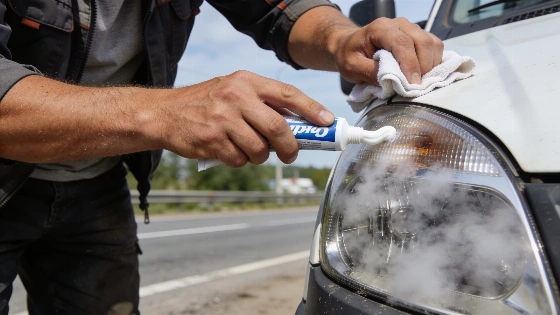
Apply a small amount of the paste to a non-abrasive sponge or microfiber cloth. Gently rub the affected area in circular motions, using light pressure. Let the mixture sit for one to two minutes, but do not allow it to dry on the surface. Afterwards, thoroughly wipe away all residue with a damp cloth, rinse if needed, and dry with a clean microfiber towel to prevent streaks or white marks.
Precautions and Limitations
Before using this method on any glass surface, test it on a small, inconspicuous area. Avoid using the mixture on glass with anti-limescale treatments, hydrophobic coatings, or special finishes, as manufacturers typically advise against abrasive cleaners. The same caution applies to mirrors, electronic screens, ceramic cooktops, eyeglasses, and lenses with coatings, where abrasives can cause permanent damage.
For safety, wear gloves, keep the mixture away from eyes and face, and store it out of reach of children. Do not combine this paste with other cleaning products, as chemical reactions may occur.
Context and Practical Advice
While this homemade solution can be effective for spot-cleaning sturdy glass, it is not a universal fix. For large-scale cleaning or persistent mineral deposits, specialized products remain the safer choice. The appeal of the baking soda and toothpaste method lies in its simplicity and accessibility, but its effectiveness depends on careful, limited use. As with any cleaning technique, understanding the material and finish of the surface is key to avoiding unintended damage.