Coffee grounds are often touted as a cheap fix for bathroom odors, but experts say flushing them can clog pipes and harm your plumbing. Here’s why this viral tip is riskier than it seems—and what to do instead.
Flushing used coffee grounds down the toilet has become a trending home remedy for tackling unpleasant bathroom smells. But what seems like a simple, budget-friendly trick can actually create expensive plumbing headaches, according to sanitation experts and plumbers across Spain.
Many households generate coffee grounds daily, and while some people toss them in the trash, others look for creative ways to reuse them—such as for plant fertilizer, cleaning, or odor control. Recently, social media has popularized the idea of dumping coffee grounds into the toilet once a week to keep the bathroom smelling fresh. However, this advice runs counter to the guidance of water authorities and professional plumbers.
The Hidden Risks
Coffee grounds do not dissolve in water. Instead, they remain as tiny, gritty particles that can easily get trapped in bends, siphons, or slow-flowing sections of your pipes. Over time, these particles accumulate, especially when mixed with soap, grease, or other debris, increasing the risk of stubborn blockages.
Sanitation agencies such as Canal de Isabel II and Aspen Consolidated Sanitation District are clear: toilets are not designed to handle solid kitchen waste. Their recommendations explicitly warn against flushing coffee grounds, food scraps, or any non-biodegradable materials. Even pouring hot water or bleach down the drain after coffee grounds won’t solve the underlying problem—these substances do not break down and can contribute to major plumbing issues.
Better Ways to Use Coffee Grounds
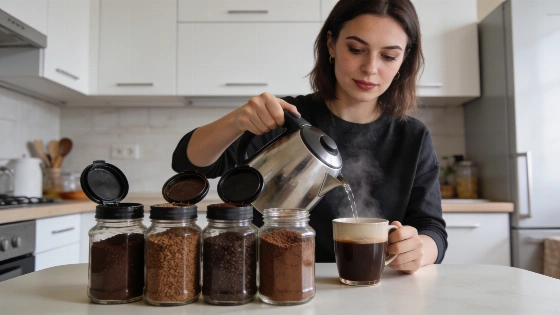
While coffee grounds can help absorb odors, their place is not in your pipes. If you want to use them as a natural deodorizer, let them dry completely and place them in an open container in a well-ventilated area of the bathroom. This can help mask smells temporarily, but it won’t clean or disinfect your toilet.
For eco-friendly disposal, consider adding coffee grounds to your compost bin in moderation, mixing them with other organic waste. Orange County Sanitation District recommends either composting or throwing them in the organic waste bin—never down the drain or toilet.
To truly keep your bathroom fresh, focus on regular cleaning, proper ventilation, and checking for leaks or organic buildup. Coffee grounds may offer a pleasant scent, but they are no substitute for good hygiene and maintenance.
What Not to Flush
Toilets are engineered to handle only human waste and toilet paper. Flushing wipes, cotton pads, sanitary products, dental floss, oils, fats, or food scraps—including coffee grounds—can cause blockages not just in your home, but throughout the municipal sewage system. The abrasive reputation of coffee grounds is misleading; rather than cleaning pipes, they can combine with other debris to form stubborn clogs that are difficult and costly to remove.
As highlighted by experts cited in Europa Press, the weekly ritual of flushing coffee grounds is more likely to create plumbing problems than solve odor issues. The safest approach is to dispose of them in the organic waste bin or use them in ways that don’t risk your pipes.
Practical Lessons from Abroad
Household habits around waste disposal can have unexpected consequences. For example, the debate over pet waiting stations at German supermarkets, as discussed in this recent article, shows how small changes in daily routines can spark wider conversations about rules, safety, and public infrastructure. The lesson is clear: what seems like a harmless shortcut at home can have bigger implications for your plumbing—and your wallet.