Nostalgia on the Palate: Adults Bring Back the Trend for Childhood Sweets in Spain. In Spain, adults are increasingly buying sweets that were once considered a children’s treat. Retro caramel candies, chewing gum, and hematogen are becoming fashionable again thanks to nostalgia and changing consumer habits. Businesses are quickly adapting to this demand.
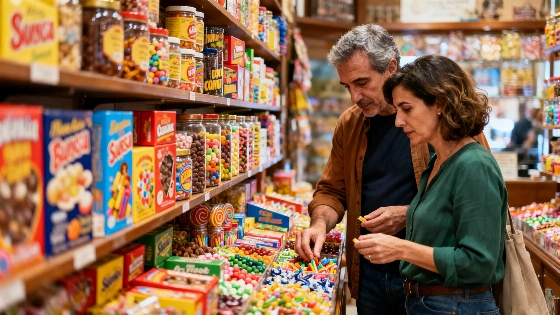
In Spanish stores and on online platforms, adults are increasingly seen choosing the very same candies, chewing gum, and hematogen bars that once symbolized school breaks and Sunday visits to the corner kiosk. Today, these sweets are no longer just a children's privilege—they are being bought by those who grew up in the 1980s and 1990s, now returning to familiar flavors as adults with grown-up wallets.
The reason for this surge in interest is not just the desire to indulge in sugar, but also a powerful sense of nostalgia. For many buyers, retro sweets have become a way to briefly revisit the past, where every piece of gum or candy stick is associated with carefree childhood. Industry representatives note that adults now make up as much as 80% of the customers in some specialty shops. “If we focused only on children, we’d have had to close the business,” admit store owners.
Figures and trends
Back in 2004, the Association of Caramel and Chewing Gum Producers, Caychi, found that more than half of adults in Spain regularly bought such sweets, and about 70% did so for pleasure and a sense of comfort. Sweets are especially popular with people aged 45–65 who live alone, as well as young couples without children. This challenges the stereotype that sweets are only bought for children at home.
According to industry reports, in 2025 the average Spaniard consumed 0.77 kg of caramel, chewing gum, and jelly candies, and overall consumption increased by almost 7%. The country’s confectionery production is estimated at €1.5 billion and over 300,000 tons per year. Importantly, adults not only buy these products more often, but are also willing to pay more for the 'taste of memories.'
The Internet and new habits
The surge of interest in retro sweets is fueled by online stores and social networks. On platforms like Retrochuches and Xiana, you can find not just classic Peta Zetas, candy sticks, and heart-shaped sweets, but also 80s and 90s toys—from Tetris to plastic pendants. The search for the right treat becomes a real digital adventure, and the act of buying turns into a small ritual of returning to the past.
At the same time, Spain is ramping up campaigns for healthy eating and reducing sugar consumption. But in practice, it is adults with nostalgia who are more likely to allow themselves these 'little indulgences' than children. Many also buy retro sweets not only for themselves, but as gifts, for themed parties, or even for unusual dishes—for example, desserts with Peta Zetas.
Nostalgia as a business
Retro sweets sales are part of a broader nostalgia economy that encompasses fashion, technology, and entertainment. Companies focus not so much on volume as on adults’ willingness to pay for emotions. As Produlce notes, rediscovering childhood flavors is not just about gastronomy but a cultural phenomenon with a strong emotional component.
Notably, the growing interest in sweets coincides with changes in other areas of consumption. For example, starting from November 2026, Spain will introduce a deposit return system for beverage containers, which is also changing customers' everyday habits — you can learn more about this in the article about the new rules for returning bottles and cans.
Practical tips
For those who want to try retro sweets, experts recommend making a conscious choice: compare prices in offline stores and on specialized websites, pay attention to the ingredients, and remember the balance between pleasure and health. Nostalgia is a strong motivator, but it’s important not to let it become an excuse for uncontrolled purchases.
Overall, the resurgence of childhood sweets among adults is not just a marketing trick but reflects deeper cultural and emotional processes. The Spanish market is quick to respond to this demand, offering more and more familiar flavors in new forms. For many consumers, this is not only a sweet treat but also a way to maintain a connection with the past.