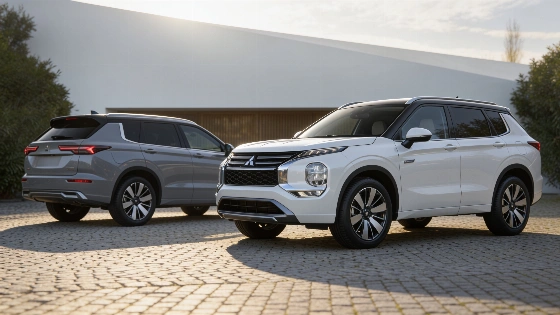
Javier Sendín says he would choose a Japanese plug-in hybrid if forced to buy a new car. The 2023 Spanish mechanic of the year says repair and maintenance costs put him off upgrading.
A replacement multimedia screen can cost €9,000 to €10,000.
Javier Sendín, named Spain’s best mechanic in 2023, told Mundo Deportivo that a matrix headlight can reach €2,500. In a frontal collision, the cost of two headlights and affected airbags can be enough for an insurer to write off a car, even when the damage is not structural. Those bills help explain why Sendín has no urge to replace his own vehicle.
The repair burden also matters to drivers weighing a used car. Our report on imported used cars covered accident histories and mileage fraud risks linked to some lower-priced German imports.
Sendín says his choice of a plug-in hybrid depends on where and how someone drives. In some cities, motorists without an ECO or CERO label can struggle to circulate, making a newer car close to unavoidable. Spain’s climate-change law requires municipalities with more than 50,000 residents to establish low-emission zones, known as ZBE. The Dirección General de Tráfico, or DGT, says access depends on a vehicle’s environmental label. Municipal rules set the restrictions, which may cover entry and parking. They can also limit circulation.
A plug-in hybrid can run electrically around town, then use its combustion engine on longer journeys. That can spare drivers from relying on charging stops on the road. Many current models exceed 90 km of electric range. Source figures put combined range at roughly 650 km for a compact and up to 900 km in large SUVs.
The European Automobile Manufacturers’ Association, or ACEA, identifies electrification as the main route to decarbonising road transport beyond 2030. The EU’s Alternative Fuels Infrastructure Regulation, known as AFIR, sets a framework for publicly accessible charging infrastructure. ACEA says its requirements differ between vehicle segments. The figures make plug-in hybrids most relevant to drivers commuting in cities or travelling regularly. The format can also suit households that rely on one car.
Sendín acknowledges that modern cars are safer. Driver-assistance systems have also made them more comfortable and easier to drive. His reservation is the price of that technology: extra equipment can mean pricier parts and higher maintenance costs. In his assessment, it can also reduce reliability.