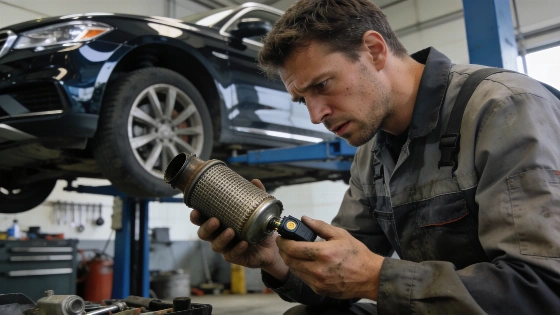
Replacing a diesel particulate filter with non-original parts can lead to engine issues, higher emissions, and expensive repairs. Mechanic Mateo explains why system updates and genuine components are crucial for modern vehicles.
When Mateo, a seasoned workshop owner, replaced a diesel particulate filter on a customer's car, he noticed something troubling. The sensor attached to the new filter looked pristine, but it wasn't an original part. That detail, he says, can make all the difference between a smooth-running engine and a costly breakdown.
Modern vehicles rely on complex systems to control emissions. The diesel particulate filter (DPF), or FAP, is designed to trap and burn off soot particles, reducing pollution. But as Mateo points out, simply swapping out the filter isn't enough. If the replacement part isn't original, the car's engine control unit (ECU) may not recognize it, leading to a cascade of problems.
"If it's not original, it doesn't work properly," Mateo warns. Even a brand-new sensor can fail to communicate the right data to the ECU. Without accurate information, the system can't trigger the high-temperature regeneration process needed to clean the filter. As a result, soot accumulates, engine performance drops, and emissions rise—sometimes enough to fail Spain's technical inspection.
After any filter change, Mateo stresses the importance of updating the vehicle's software. Without this step, the new component may remain invisible to the car's brain. The regeneration process, which heats the filter to around 800 degrees Celsius to burn off soot, depends on precise coordination between hardware and software. Skipping the update can leave drivers facing persistent warning lights, sluggish acceleration, and even the smell of unburned fuel inside the cabin.
The financial impact is significant. A new sensor alone can cost around €200, while a replacement DPF for a diesel car typically runs between €500 and €600. In severe cases, the bill can exceed €2,000, depending on the vehicle's make and the materials used. These costs highlight why cutting corners with non-original parts is a risky gamble.
Drivers can spot trouble by watching for lower-than-normal engine revs, black smoke from the exhaust during acceleration, or a strong fuel odor inside the car. These are signs that the filter isn't regenerating properly and that soot is building up in the system.
As the automotive industry pushes for cleaner engines and stricter emissions standards, the importance of using approved components and following correct procedures has only grown. This trend is echoed in recent industry moves, such as the push for advanced hybrid technology and emissions alliances, as seen when major brands overhaul their models to meet new regulations.
According to elespanol motor, the lesson is clear: for modern cars, genuine parts and proper system updates are not optional. They are essential for reliability, compliance, and avoiding unnecessary expenses. As vehicles become more sophisticated, the margin for error shrinks—and so does the patience of both engines and regulators.