Unexpected power cuts during summer weekends can often be traced to the details of your electricity contract. Many Spanish households unknowingly set themselves up for outages by underestimating their off-peak power needs—especially when running high-consumption appliances like air conditioning.
When the air conditioning shuts off and the lights go dark on a hot Saturday, most people blame a faulty appliance or a wiring issue. But for one Córdoba resident, repeated weekend blackouts had a different cause: a hidden gap in his electricity contract.
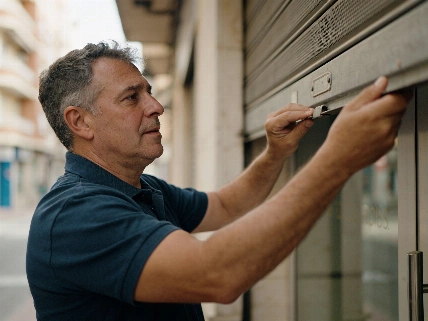
Javier, an electrician known for his TikTok account @elapagon, was called to investigate after the homeowner reported losing power at least five times on a single Sunday. Initial checks showed the air conditioner wasn't drawing more power than the contract allowed. The real clue came from the electricity bill: the customer had 1,000 watts less contracted during off-peak hours than during peak times.
Two Power Limits, One Problem
Since the introduction of Spain's 2.0TD tariff, households can contract two different power levels—one for peak hours (P1) and another for off-peak (P2). According to the CNMC, the off-peak rate applies from midnight to 8 a.m. on weekdays and all hours during weekends and national holidays. The peak rate covers the rest of the working week.
This split can easily go unnoticed. In this case, the homeowner's off-peak power limit was set 1,000 watts lower than his peak allowance. So when he ran the air conditioner on a Saturday, the system defaulted to the lower threshold. Exceeding it triggered the smart meter's built-in circuit breaker, cutting off the supply.
Smart Meters Make the Difference
The question remained: why did the problem only start recently, even though the contract hadn't changed in years? Javier asked if the meter had been replaced. The answer was yes—the utility had installed a new smart meter just a month earlier.
Modern meters include an Interruptor de Control de Potencia (ICP), which instantly disconnects the supply if the contracted power is exceeded. Many consumers still refer to this as "blowing a fuse," but the process is now automatic and precise. As a result, any mismatch between actual usage and contracted limits becomes immediately apparent, especially during periods of high demand.
How to Check Your Power Limits
If you experience repeated outages, your electricity bill is the first place to look. It lists both contracted power levels (P1 and P2) and the maximum power you've demanded in each period over the past year. This information, required by law, can help pinpoint whether your off-peak allowance is too low for your real needs.
Weekend and nighttime blackouts often point to an off-peak power shortfall. Many households reduce their off-peak contract to save on fixed charges, but this can backfire in summer when air conditioning, ovens, washing machines, or electric water heaters run simultaneously. As simple cooling tricks can help, but for lasting relief, reviewing your contract is key.
The solution is straightforward: contact your electricity provider and request an adjustment to your off-peak power limit. Before making changes, compare your contracted levels with your actual maximum usage and consider which appliances you typically run together.
As Spain faces hotter summers and rising energy use, understanding the fine print of your electricity contract is more important than ever. A quick review now can prevent frustrating—and avoidable—blackouts when you need cooling most.