Sweltering nights can make sleep nearly impossible, especially when heat lingers indoors. But you don’t need expensive air conditioning to cool down. A few practical adjustments—like using a damp towel and smart ventilation—can quickly lower the temperature and help you rest easier.
When the heat of the day refuses to leave your home at night, even the simplest tasks—like falling asleep—can become a challenge. In Colombia and other hot climates, many households rely on fans or air conditioning to find relief, but these solutions often come with a steep rise in electricity costs. Fortunately, there are effective, low-cost alternatives that can make a real difference in your comfort.
Wet Towel Cooling Method
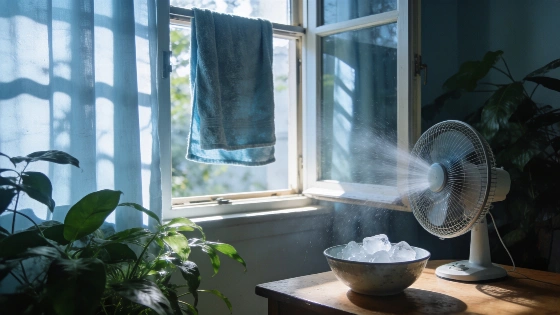
One of the most straightforward ways to cool a room involves nothing more than a damp towel and an open window. The principle is simple: as warm air passes through the moist fabric, some of its heat is absorbed and used to evaporate the water, resulting in noticeably cooler air entering the space. According to John Lawless of BestHeating, the towel should be damp but not dripping, as too much water can block airflow and reduce the effect.
For best results, hang the towel in front of a window that receives a breeze, ideally in the late afternoon or evening when outside temperatures begin to drop. If the towel dries out, simply re-wet it to maintain the cooling effect. This method is especially effective when paired with even a slight cross-breeze, helping to circulate cooler air throughout the room.
Daytime Heat Prevention
Preventing heat buildup is just as important as cooling down at night. During the hottest hours, sunlight streaming through windows and heating up walls and floors can turn your home into a thermal trap. To counter this, keep windows closed and shades or curtains drawn during peak sunlight. Lowering blinds or using thick curtains in sun-exposed areas can significantly reduce the amount of heat that enters your living space.
Once the outdoor temperature drops in the evening, open windows on opposite sides of your home to create cross-ventilation. This airflow helps flush out accumulated heat and brings in fresher, cooler air, making it easier to maintain a comfortable environment overnight.
Enhancing Cooling with Fans and Plants
While fans alone do not lower the temperature, they can be made more effective with a simple trick: place frozen water bottles or a bowl of ice in front of the fan. As the air passes over the ice, it picks up cool moisture and circulates it around the room, providing a noticeable drop in perceived temperature. Positioning a fan near an open window at night can also help draw in cooler outdoor air.
Indoor plants offer another subtle advantage. By releasing moisture into the air, they can help create a fresher, more comfortable atmosphere—especially if watered in the evening and placed in well-ventilated spots. These small adjustments, when combined, can make a significant difference in how your home feels during a heatwave.
Practical Solutions for Hot Nights
Adopting these simple strategies can help you stay cool without resorting to costly air conditioning. For those interested in how traditional events adapt to climate and local customs, the medieval fair in Caminha, Portugal, offers a fascinating example of community resilience and creativity—details can be found in this feature on historic summer festivals.
Ultimately, a combination of prevention, smart ventilation, and a few household tricks can transform even the hottest nights into a chance for restful sleep—without breaking the bank or the environment.