Firefighters have stopped the advance of wildfires in Madrid and Ávila after a week of crisis. Authorities have lifted evacuation orders for 26 municipalities. Residents face severe property damage as a new heatwave threatens progress.
After a week of relentless wildfires across Madrid and Ávila, emergency teams have managed to halt the spread of flames for the first time in days. The stabilization of the fire perimeter has allowed authorities to lift evacuation orders in 26 municipalities, including key areas in Toledo, where the emergency status has been downgraded. Over 6,000 residents from 11 towns in Castilla-La Mancha have already returned home, while thousands more in Madrid and Ávila are gradually leaving temporary shelters.
Interior Minister Fernando Grande-Marlaska confirmed that, despite challenging weather, the fire's perimeter—spanning 280 kilometers—remained unchanged over the past 24 hours. Firefighters have shifted focus from battling uncontrolled fronts to targeting isolated hotspots, working to secure recently calmed zones before a new heatwave arrives. The urgency is clear: meteorologists warn of soaring temperatures up to 38°C and low humidity, with strong afternoon winds expected to complicate containment efforts.
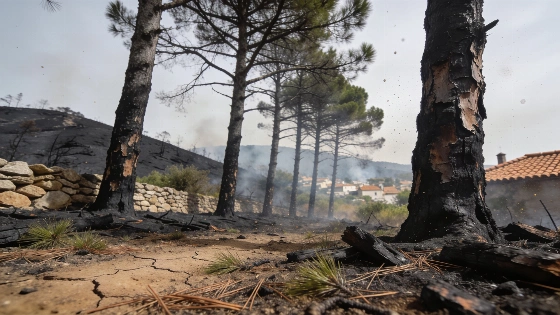
In Madrid, the situation has notably improved. No new flare-ups were reported overnight, and emergency crews concentrated on consolidating the perimeter and extinguishing residual hot spots, particularly near the San Juan reservoir. The north shore, previously at high risk, has been devastated but further spread toward the Sierra de Guadarrama was prevented. As a result, the Ministry of the Interior has rescinded evacuation orders for most affected communities, with only two municipalities in Madrid and eleven in Ávila still awaiting clearance.
Toledo's wildfire alert has been reduced to level 2, transferring command to Castilla-La Mancha authorities and lifting all previous restrictions. The return of 6,200 residents marks a significant step toward normalcy, though many face the reality of destroyed or damaged homes. In Madrid alone, at least 40 houses have been lost and another 300 damaged, with numbers expected to rise as access improves. The visible aftermath includes charred buildings, melted vehicles, and entire neighborhoods reduced to ash.
Authorities remain cautious as the risk of reactivation persists, especially with the forecasted heatwave. The focus now is on preventing embers from reigniting and ensuring public safety. The scale of destruction is historic: Ávila province alone has seen 50,000 hectares burned, making this the most aggressive wildfire event in Spain's recorded history. Nationally, over 173,000 hectares have been affected by wildfires since the start of the year—almost six times more than the same period last year, according to the Ministry for the Ecological Transition.
As the region recovers, the full extent of material losses is still being assessed. Many residents returning home are confronted with severe damage and uncertainty about rebuilding. The situation echoes the devastation experienced in other towns, as detailed in reports such as the account of Casavieja's struggle to survive Spain's largest wildfire. With another heatwave looming, emergency services remain on high alert, emphasizing that every hour is critical in the ongoing effort to secure the affected areas and support those returning to their communities.
Spain's wildfire crisis highlights the growing challenges posed by extreme weather and the need for robust emergency response. The rapid mobilization of firefighters and coordinated government action have been crucial in preventing further tragedy. However, the long-term recovery for affected families and the restoration of devastated landscapes will require sustained support and resources in the months ahead.