In recent months, Real Madrid has seen a clear renewal of team spirit and approaches to working with players. Young footballers note that training methods and communication have become more flexible and focused on fostering a positive atmosphere. This shift is already producing results: the team adapts more quickly to changes, and players feel more confident on the field.
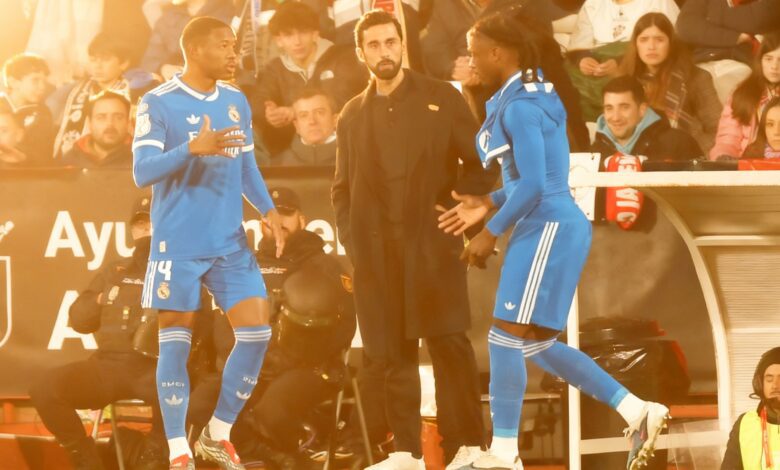
Álvaro Arbeloa’s behavior draws particular attention, as he does not limit himself to standard coaching methods. After some training sessions, he unexpectedly appears with boxes of sweets—from donuts to Oreo and Speculoos cookies. This gesture is seen not just as a reward, but as a way to bring the squad closer together and relieve tension after tough sessions. According to the players, these details are what help maintain high morale and team spirit, even in difficult situations.
The role of leaders
Senior players also play an important role in shaping the team’s new identity. For example, Vinicius Junior is often the first to support newcomers and help them integrate into the squad. Despite his controversial reputation in the media, within the club he is seen as an emotional and empathetic person, always ready to help the younger players. This approach strengthens bonds among the players and speeds up the adaptation process for those who are new to the team.
In Europe, attitudes toward exuberant goal celebrations and emotional displays on the field often differ from those in Brazil or the USA. However, at Real Madrid, they try not to limit players’ individuality, allowing them to express themselves freely. This helps build an atmosphere of trust and mutual respect, which is especially important for young athletes under constant pressure.
Changes in midfield
With the departure of key figures like Kroos, Modrić, and Casemiro, the midfield structure has undergone significant changes. The new generation of players is faster and physically stronger, which influences the team’s playing style. According to analysts at russpain.com, modern football demands that midfielders possess not only technical skills but also the ability to adapt quickly to changing situations on the field. This becomes especially apparent in Champions League matches, where Real Madrid traditionally shows exceptional focus and an ability to rally.
Players note that after several veterans left, the squad had to rebuild internal connections and search for new ways to work together. Despite a difficult start to the season, the team is gradually finding a balance between experience and youth, allowing it to remain competitive on all fronts. Inside the dressing room, there is a sense of mutual understanding, and young players quickly learn from their senior teammates.
Pressure and expectations
At Real Madrid, there has always been a special standard: defeats are not forgiven, and victories are expected in every competition. Young players admit they constantly feel the pressure, but it is precisely what motivates them to give their best. Some note that the absence of stress feels unusual — living with intense competition has become second nature.
Team unity remains a key factor in Real Madrid’s success. When there is a healthy team spirit, results quickly follow. Many believe that an atmosphere of trust and support is what enables the club to succeed even in the toughest matches. In this context, it’s worth recalling recent discussions about internal issues at another top club — Mbappé’s revelations exposed hidden conflicts, which sparked intense debates among fans and experts.
Regarding personal goals, many young players are focused on stability and earning more playing time. They understand that only through constant effort and commitment can they secure a spot in the main squad and become part of the club’s new chapter.
Eduardo Camavinga is one of the brightest representatives of the new generation at Real Madrid. Originally from France, he quickly earned the trust of coaches and fans with his versatility and work ethic. Camavinga can play in several midfield positions, making him invaluable for tactical changes. In a short time, he has become a role model for young players, and his professionalism is often cited as exemplary in today’s football environment.