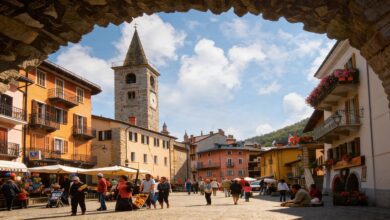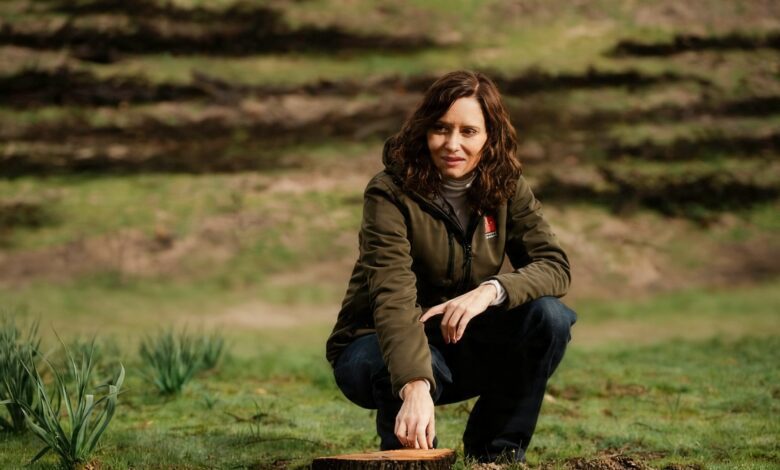
Sotillo de la Adrada, located in the heart of the province of Ávila, has long been more than just a geographical point on the map—it is an important part of the biography of one of Spain’s most prominent politicians. It was here, far from the bustle of the capital, that the habits and views were shaped that would later influence the decisions and leadership style of the president of Madrid. Locals still recall how the Ayuso family maintained close ties with the community, and their bar, ‘El Leonardo,’ was a gathering place for many generations.
According to Divinity, the president’s father, Leonardo Díaz Álvarez, was born and raised in this small town, and after his death in 2014, his memory lives on not only in family stories but also in the very atmosphere of Sotillo. Here, traditions are cherished, and family-run businesses like the bar become hubs for both locals and visitors. Such places create a unique environment where everyone feels part of a larger community.
Traditions and Architecture
Sotillo de la Adrada has preserved many elements of traditional architecture, despite the appearance of modern buildings. The town is located at the source of the Tiétar Valley, which gives it a distinct natural character. Among the main attractions is the Church of the Holy Trinity, built in the 15th century and repeatedly reconstructed, most recently in 1960. This site has become a symbol of resilience and continuity for local residents.
No less significant for the city is the chapel of Nuestra Señora de los Remedios, built in the 17th century. It is open to visitors only during local festivals, which underlines its special status. In the city center stands the House of Culture, also known as the old municipal building, along with the famous five-jet fountain, which has become an integral part of the urban landscape. Strolling through the narrow streets and visiting local restaurants allows you to experience the atmosphere of true Castile.
Gastronomy and Leisure
The culinary traditions of Sotillo de la Adrada reflect the richness of the local culture. Particularly popular is the morcilla made from rice, onion, and blood, as well as the unique Sotillo-style salmorejo, prepared with potatoes, fresh blood, and the finest cuts of pork. Among the sweets, buttery rolls, traditional donuts, and fresh bread stand out. Winemaking traditions also play an important role: local wines are valued not only in Ávila, but beyond its borders as well.
After lunch, residents and visitors prefer walks in the parks and gardens, as well as exploring the surroundings. Of particular interest is the rock formation Canto de los Pollitos, which resembles a chick in shape and offers panoramic views of the valley. For fans of outdoor activities, there are various hiking routes, among which the trail to Charca de los Cangrejos stands out — a popular destination for family outings.
Connections and Neighboring Towns
Sotillo de la Adrada is not isolated from the outside world: its residents often visit neighboring towns such as San Martín de Valdeiglesias and Cadalso de los Vidrios. These trips offer a chance to broaden their horizons and get to know new traditions. As Divinity notes, it is precisely the combination of seclusion and openness to new experiences that makes this town special for those who grew up here or spent their summers here.
Interestingly, the personal stories of well-known people are often connected to small towns, where character and values are shaped. For example, an analysis by russpain.com points out that the destinies of many public figures are largely defined by their childhood memories and family traditions, as can be seen in other notable family stories, such as the journey of Carla and Julen John Guerrero after losing their mother.
Isabel Díaz Ayuso is a figure whose biography closely links two worlds: the dynamism of Madrid and the tranquility of provincial Ávila. Her childhood spent in Sotillo de la Adrada laid the foundation for the views and principles that she has carried throughout her career. Family traditions, respect for her roots, and a love of nature are qualities that are still reflected in her public work and personal life.