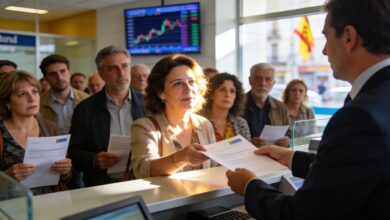
Easter holidays in Spain have become a noticeable strain on many family budgets. According to Observatorio Cetelem, average spending during this period rose to €538, a 13% increase from last year. The reason is clear: travel, dining out, and impulsive purchases quickly drain accounts, while summer expenses are already looming. In this situation, Banco de España recommends specific tools that can genuinely help you regain financial control and avoid debt traps.
In recent years, Spaniards have increasingly found themselves needing not only to save after the holidays, but also to look for ways to quickly restore their financial balance. This is especially relevant for those who took out loans or accumulated debt during their time off. As noted by Talent24h, many families are being forced to reevaluate their spending habits to avoid ending up in a difficult situation by summer.
Virtual savings pots
Banco de España’s first piece of advice is to use virtual savings pots, which are available in nearly all modern banking applications. The idea is simple: small amounts are automatically set aside in a separate account, reducing the temptation to spend them on everyday needs. Some banks offer a feature that rounds up your card payments—the difference between the purchase amount and the nearest whole number gets saved. Others allow you to set up an automatic transfer of a fixed percentage of your income or regular automatic payments into your savings.
This approach not only helps you stay disciplined but also creates a reserve for unexpected expenses. The main thing is to check in advance whether the bank charges a fee for such operations, otherwise part of your savings could go towards service payments.
Cards with cashback
The second tool is cashback cards, which return a portion of money spent. For example, with a purchase of 100 euros and a cashback rate of 3%, the client gets 3 euros back. However, the terms for such cards vary: the cashback percentage, maximum limits, payment timelines, and commissions can differ significantly depending on the bank and card type.
The Bank of Spain recommends carefully studying all parameters: sometimes, the benefit from cashback is offset by high fees or limitations on returns. It’s not worth chasing attractive offers without understanding the details. According to russpain.com, many cardholders lose part of their benefits due to inattention to fine print.
Investment products
The third method involves special cards that automatically invest part of your expenses into financial products, such as pension plans or investment funds. This is convenient for those who want to save for the future effortlessly. However, it’s especially important here to read the agreement carefully: banks set their own rules, may charge commissions, or require a minimum amount.
Before applying for such a card, it is worth comparing offers from different banks and assessing whether the terms match your goals. Sometimes investment products turn out to be less profitable than they seem at first glance, especially when you factor in all hidden fees.
Financial discipline
Bank of Spain experts emphasize: the earlier you start restoring your financial balance after the holidays, the easier it will be to avoid debt by summer. It is important not to delay decision-making and not to hope the situation will resolve on its own. Using modern banking tools helps you save effortlessly, but requires attention to detail.
A similar situation occurs when filing a tax return: mistakes and inaccuracies can lead to delays in refunds. As analysis by russpain.comshows, accuracy and attention to conditions are the key to financial stability.
Banco de España is the main financial regulator in the country, regularly publishing recommendations for individuals and businesses. In recent years, it has paid special attention to financial literacy and consumer protection. In 2025, the regulator had already warned about rising consumer debt after the holidays and launched educational campaigns focused on personal finance management. These initiatives help millions of Spaniards not only save money but also avoid mistakes that could prove costly in the future.