There are many species of fish in the world that can pose a serious danger to humans. Some contain toxins so potent that even a small mistake in preparation can be fatal. Others can cause unusual psychological effects, turning an ordinary meal into an unpredictable adventure. Anyone who enjoys seafood should understand which fish are truly dangerous and which are simply unusual.
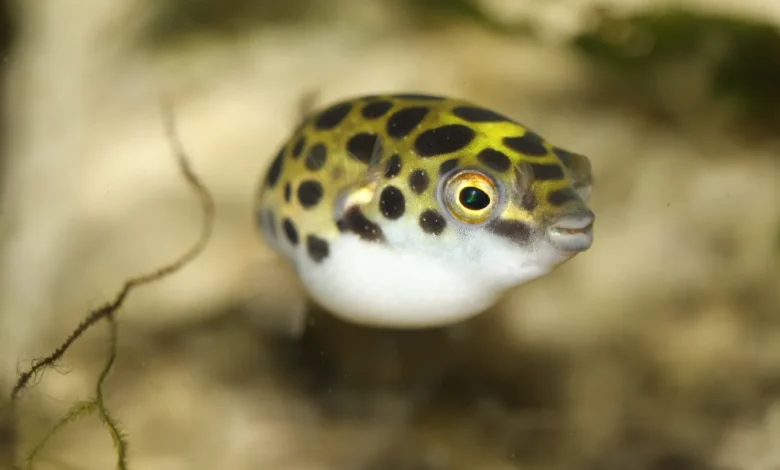
The pufferfish, also known as fugu, holds a special place among poisonous marine creatures. Its flesh contains tetrodotoxin—a substance capable of paralyzing the human nervous system. Even a minimal dose of this toxin can be fatal, as it blocks nerve transmission and causes respiratory arrest. In Japan, fugu dishes are considered a delicacy, but only chefs who have undergone special training and obtained a license are allowed to prepare them. Poisoning symptoms appear quickly—within just 20 minutes of consumption—and there is still no known antidote.
Hallucinogenic fish
Not all dangerous fish are deadly—some can induce vivid hallucinations in humans. The sea bream Sarpa salpa, found in the waters of the Mediterranean and the eastern Atlantic, is nicknamed the “dreamfish.” At certain times of the year, eating this fish can produce effects similar to those of psychedelics. The reason lies in the toxins the fish accumulates when feeding on specific types of algae and phytoplankton. The effects may last from several hours to two days, causing auditory and visual hallucinations, anxiety, and even temporary disorientation.
Poisonings caused by Sarpa salpa are rare, but they are well documented. Doctors refer to this phenomenon as ichthyoallyeinotoxism. Hallucinations typically set in within an hour after eating, and a full recovery usually occurs without medical intervention. However, for people with sensitive mental health or chronic conditions, this experience can be extremely unpleasant.
Reef predators
Another group of dangerous fish are coral reef dwellers such as barracuda, moray eels, and large groupers. They can contain ciguatoxin—a neurotoxin that accumulates in their bodies through the food chain. It all starts with microscopic dinoflagellate algae that are consumed by small fish. Predators eating these fish ingest more and more toxin. The highest concentrations of ciguatoxin are found in the liver, head, and intestines of large fish.
Symptoms of ciguatoxin poisoning appear quickly: within 30–60 minutes after eating, a person may experience nausea, vomiting, diarrhea, as well as neurological symptoms such as numbness in the limbs, a burning sensation, and confusion. A key trait of this toxin is that it is not destroyed by cooking or freezing. In some cases, the effects can persist for weeks.
Mercury and other toxins
In addition to naturally occurring poisons, heavy metals that accumulate in fish also pose health risks. Mercury is one of the best-known neurotoxins, capable of causing serious nervous system disorders. Large predatory fish contain especially high levels of mercury: king mackerel, swordfish, shark, and some species of tuna. Regular consumption of these fish can lead to chronic poisoning, especially in children and pregnant women.
Experts recommend limiting the consumption of fish with high mercury content, favoring smaller species instead. It’s also important to note that toxin levels can vary depending on the region where the fish was caught and the age of the fish.
Climate impact
Climate change is having a noticeable impact on the spread of poisonous and toxic fish. Rising water temperatures are contributing to the growth of dinoflagellate populations, which increases the risk of ciguatoxin buildup in marine organisms. Coral reefs are particularly vulnerable, as coral die-offs create favorable conditions for the proliferation of dangerous algae.
Scientists warn that the number of fish poisoning cases may rise in the coming years. This is due not only to climate change but also to the global increase in seafood consumption. It is important to be cautious when choosing fish for your table and to follow the recommendations of experts.
If you didn’t know, fugu (pufferfish) is not only a symbol of Japanese cuisine, but also one of the most dangerous fish in the world. In Japan, chefs must pass stringent exams every year to obtain a license to prepare this delicacy. Only after several years of training and practice are specialists allowed to work with fugu. RUSSPAIN.COM reminds you: consuming exotic seafood always carries certain risks, and you should only trust professionals.