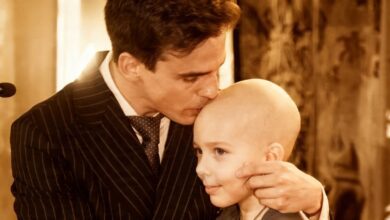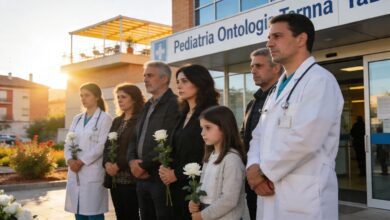
The death of María Caamaño, known as the ‘princess of footballers,’ has become a significant event for Spanish society. The girl from Salamanca, just 13 years old, had battled Ewing’s sarcoma—a rare and aggressive form of cancer—for nearly seven years. Her story not only sparked a wave of public support, but also drew attention to issues surrounding childhood cancer, the need for research funding, and the necessity of supporting families facing similar diagnoses.
María became a symbol of resilience and inspiration for thousands across the country. From an early age, she spoke openly about her illness, sharing her experiences and progress on social media. Through her openness, many Spaniards began to reflect for the first time on how little is known about childhood cancer and the importance of timely diagnosis. María’s family announced her passing in an emotional statement, emphasizing that she fought until the very end despite her condition worsening in her final hours.
Initiatives and support
During her illness, María launched the project La Sonrisa de María, which became a notable initiative in the field of charity. This project aimed to raise funds for research in pediatric oncology and to support other children facing serious diagnoses. Well-known torero Gonzalo Caballero joined the initiative because María was passionate about bullfighting. Together, they took part in charitable events, helping draw national attention to the issue.
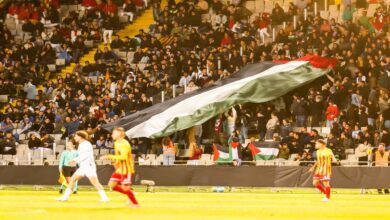
María’s story extended beyond the medical community and became well-known in sports circles. The girl fulfilled her dream—she met players from the Spanish national football team and even symbolically lifted the European Cup in 2024. This event made her a favorite among athletes and fans. In 2025, María received the Castilla y León Human and Social Values Award, recognizing her contributions to society.
Public reaction
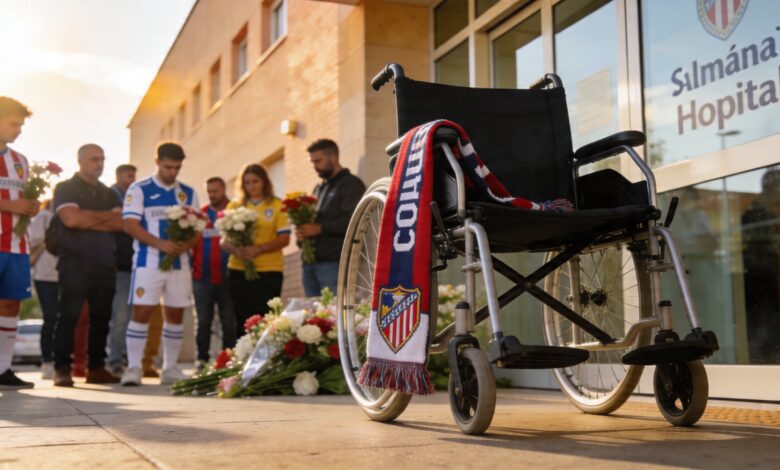
After the news of María Caamaño’s passing, many Spanish institutions, athletes, and ordinary citizens expressed their condolences and emphasized the importance of her legacy. She managed to turn personal tragedy into a public call to action, reminding everyone of the need for investment in medical research. One of María’s most memorable phrases was that without science and new treatment methods, it is impossible to defeat disease.
María’s family thanked everyone who supported them through years of struggle, as well as the medical teams who accompanied her over 2,392 days of treatment. Her loved ones asked people to keep praying for María and supporting them, to maintain a sense of closeness to her. According to russpain.com, stories like this are becoming more prominent in Spanish society, shaping a new approach to supporting families and advancing medicine.
Context and similar cases
In recent years, Spain has seen increasing attention to pediatric oncology and support for families facing difficult diagnoses. The country regularly hosts charity events and fundraising campaigns for research. Recently, a tragedy occurred at a construction site in Madrid where a worker lost his life, sparking public debate and discussion of safety measures — more details can be found in the report about the tragedy at the construction site in Madrid. Such events highlight the importance of public awareness of health and safety issues, as well as the need for systemic changes in social support.
In recent years, Spain has witnessed a rise in initiatives aimed at improving the quality of life for children with serious illnesses. Charitable organizations and individuals are increasingly joining forces to support families and fund scientific research. Stories like that of María Caamaño set an example for others and help foster a more caring and responsible society.