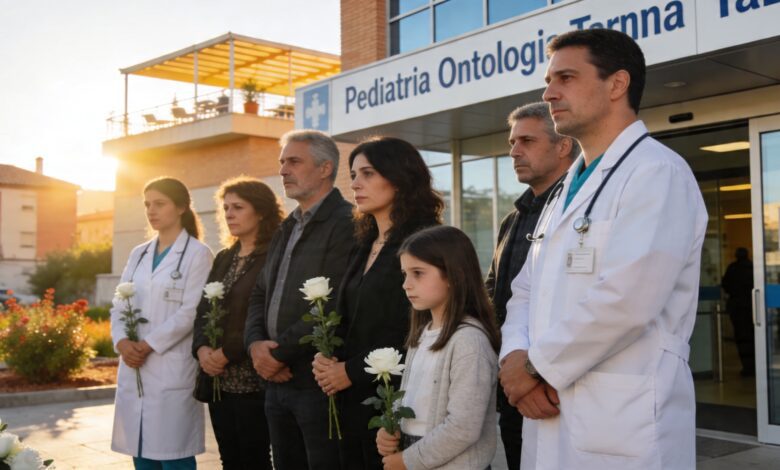
The death of María Caamaño Muñiz in Salamanca became an event that touched not only the local community but all of Spain. The girl, just 13 years old, had spent six years fighting Ewing’s sarcoma—a rare form of cancer that most often affects children and adolescents. Her story became an example for many families facing similar diagnoses, drawing attention to the need for advances in research on rare diseases.
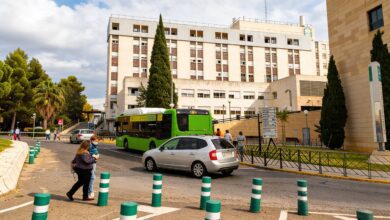
María not only underwent complex treatment at two leading medical centers—in Madrid and Salamanca—but was also actively involved in community life. Her name gained recognition for the initiative ‘La Sonrisa de María,’ created together with bullfighter Gonzalo Caballero. This organization supports scientific projects focused on studying Ewing’s sarcoma and other pediatric cancers. María’s contribution to raising awareness about rare diseases was acknowledged with the Castilla y León de los Valores Humanos y Sociales Award in 2024.
A journey of struggle and support
Over the years of treatment, María became a symbol of resilience and optimism. She continued practicing sports, especially football, which was her passion. Even during the most challenging phases of therapy, María found the strength to keep in touch with friends and supporters through social media. María’s parents and sister repeatedly thanked everyone who supported them during the 2,392 days of her fight, as well as the medical teams who accompanied the girl on this journey.
In 2025, Maria visited the Vatican, where she met with Pope Francis. This event became one of the most memorable moments of her life. She was also invited by the Football Federation to celebrate Spain’s national team’s victory at Euro 2024, where she was given the honor of lifting the trophy at Plaza de Cibeles. Such gestures of support from renowned athletes and public figures highlighted the significance of her fight for the entire country.
Memory and Recognition
In Salamanca, Maria’s name will remain forever: the terrace of the pediatric oncology department at the local hospital has borne her name for a year. This act became a symbol of recognition for her courage and the constant smile she kept despite her trials. In 2023, Maria lit the holiday lights at the traditional La Aldehuela event, and now many city residents associate this light with her memory.
Maria’s passing sparked a wave of responses on social media. Politicians, athletes, representatives of the world of bullfighting, and ordinary citizens have expressed their condolences to the family and noted that her story has changed society’s attitude toward children with serious diagnoses. According to RUSSPAIN.COM, such cases become catalysts for new initiatives in medical research and support for families.
Societal Impact
María Caamaño Muñiz has become an example for many facing serious illnesses. Her active stance and support for scientific research have inspired not only the people of Salamanca but the entire country. In recent years, Spain has seen a growing number of initiatives aimed at improving the diagnosis and treatment of rare diseases in children. Reflecting on María’s story, many note that it is cases like hers that often drive change.
In the broader context of events related to children’s health, it’s worth noting that attention to the safety and support of minors in Spain is steadily increasing. For example, a recent incident in Benidorm involved a hotel ceiling collapse that injured both children and elderly guests — details of this incident also sparked significant public reaction and discussions on measures to prevent such cases.
Cases where children become symbols in the fight against serious illnesses are not isolated. In recent years, both in Spain and across Europe, several initiatives have emerged to support families facing rare diagnoses. Non-profit organizations and foundations are increasingly collaborating with medical institutions to accelerate the development of new treatments and improve patients’ quality of life. Stories like María’s highlight the importance of sustained attention to children’s health and the need for investment in scientific research.