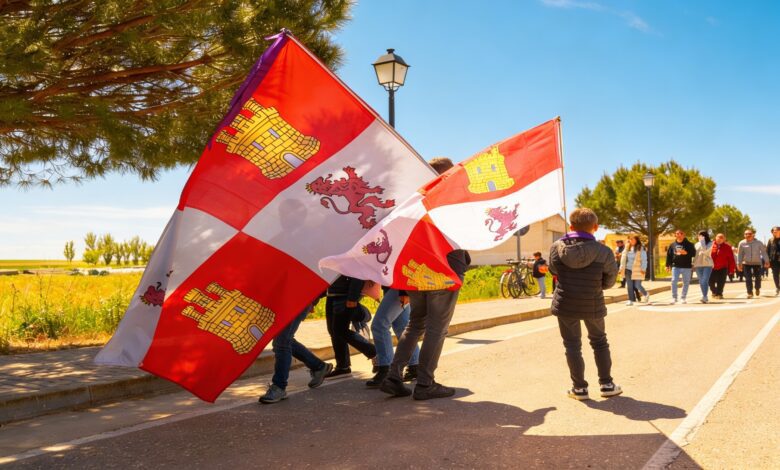
A controversy has erupted in Castile and León over the organization of festive concerts for the Regional Day. The regional government allocated €1.4 million for performances by well-known musicians in 12 cities, yet none of the invited artists represent the region itself. This decision sparked a strong reaction among local musicians, who had hoped for the opportunity to perform on the main stages of the celebration.
Criticism and musicians’ reaction
According to EL PAÍS, over the past two years, not a single local band or performer was among the main participants of the concerts, despite many of them working with the region’s traditional folklore and contemporary music. Musicians point out that such events are a rare chance for exposure and to secure funding for their own projects. In response to criticism, authorities stated that before each concert, a local group will perform as an opening act; however, this did not convince representatives of the music community.
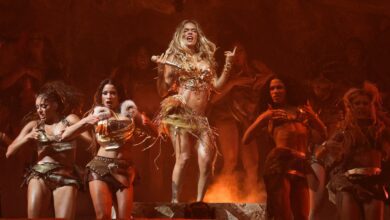
Among this year’s invited artists are José Mercé, Orquesta Panorama, Lia Kali, Medina Azahara, Omar Montes, Mägo de Oz, Marta Sánchez, Beret, Lucho RK, Chambao, Antonio José, and Leire Martínez. All will appear in major cities across the region, with total artist fees amounting to €1.41 million. A similar approach was taken last year, when performers such as Recycled J, Rosario Flores, Carlos Baute, and other well-known artists were invited, but none were connected to Castile and León.
Alternative venues and the financial gap
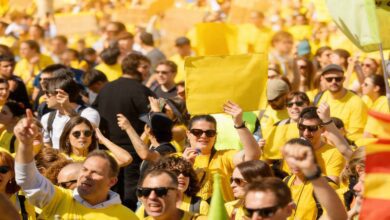
Against this backdrop, the municipality of Villalar de los Comuneros, where the holiday is traditionally celebrated, organized its own program featuring regional musicians. The event’s budget is 70,000 euros, with part of the funding also provided by regional authorities. Members of the group El Nido, who are performing in Villalar, believe that such policies by the authorities weaken local cultural identity and do not contribute to the development of the region’s musical scene.
Many artists, such as Lemus, Lucía López from Delameseta, and members of La M.O.D.A., have openly expressed their dissatisfaction: they point out that local bands are forced to seek funding through crowdfunding and receive minimal fees, while significant sums are spent on invited stars. In their view, supporting local musicians could not only strengthen cultural identity but also boost interest in the region.
Debate over cultural policy
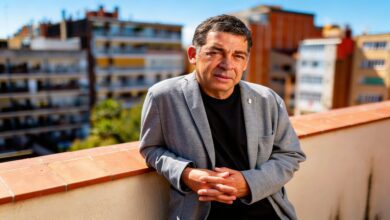
Some musicians, such as Cristina Len, are calling for a rethink of the approach to cultural policy: they believe that part of the budget should be allocated to support local artists, rather than just attracting mass audiences through big names. Meanwhile, others, like Dulzaro and Jesús Cifuentes from Celtas Cortos, see the actions of the authorities as an attempt to diminish the significance of the traditional Villalar holiday and sideline the local music scene.
The question of priorities in the cultural policy of Castile and León remains open. The authorities’ decision has already sparked wide public debate and prompted discussions about the role of regional artists in major festivals. Such disputes over the choice of performers and the allocation of budget funds are not uncommon in Spain: for example, recent changes in the organization of major musical events have attracted attention, as was the case with the announced Karol G concerts in Madrid, Barcelona, and Seville.