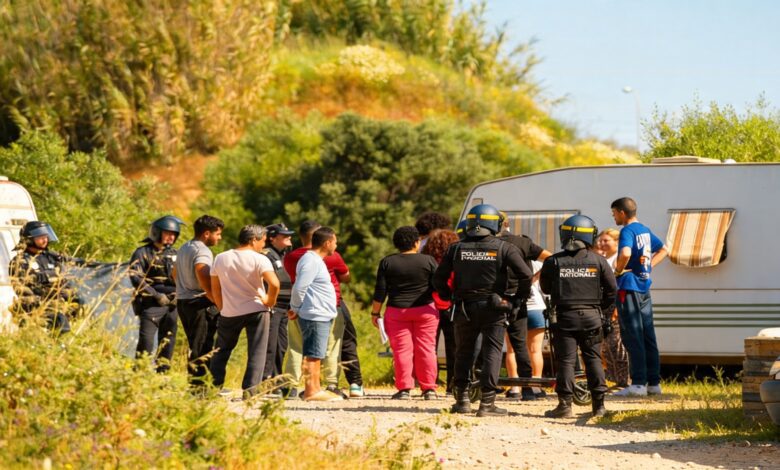
A large-scale operation has concluded in Ibiza to evict residents of Sa-Joveria, the island’s largest illegal settlement. At dawn on Tuesday, reinforced police units and municipal services arrived at the site near the exhibition center. In recent months, more than 130 people had been living here—primarily service sector, construction, and cleaning workers unable to afford even a single room in the overheated housing market.
Most inhabitants had left the area in advance, but by the time police arrived, several families still remained. According to the municipality, people were living in more than a hundred makeshift structures and tents without basic amenities, often paying between 200 and 500 euros for a spot to intermediaries who profited from their vulnerability. Authorities emphasize that they will strictly crack down on such schemes.
Emergency measures and support
During the operation, social services specialists offered assistance to those left homeless. Seven families were given places in emergency shelters, and another seven adults without children received temporary accommodation. The rest were forced to seek alternatives on their own. Environmental department staff and city cleaners also worked at the site: over the years, piles of garbage had accumulated here, including hazardous waste such as gas cylinders and batteries.
Special attention was paid to residents from the Sahara who are employed as seasonal workers. Many of them ended up in Sa-Joveria after being evicted from other parts of the island. Ibiza mayor Rafael Triguero (PP) called the eviction decision one of the most difficult during his term, but emphasized that it was made for reasons of safety and fairness. He appealed to those planning to come to the island without housing to seek other accommodation options.
Legal and environmental aspect
The municipality repeatedly warned the landowners about the need to clean up the area due to the threat of pollution and health risks. After the owners failed to comply, the city initiated legal proceedings. In March, the court authorized forced entry, demolition of structures, and land cleanup.
Interestingly, unlike the makeshift huts, those living in camper vans were not evicted: the court ruling did not apply to them, and the families were allowed to stay. According to police estimates, in recent months Sa-Joveria has become a refuge for dozens of people displaced from other illegal campsites.
Next steps and context
After the Sa-Joveria camp was dismantled, the largest illegal settlement in Ibiza is now the Can-Misses site. Its eviction is scheduled for April 29. Issues of emergency relocation and regulation of such areas remain a pressing concern for the municipality.
The problem of insufficient affordable housing and informal settlements is not limited to Ibiza. In other regions of Spain, authorities are also facing the need for emergency measures, as was the case, for example, during the aftermath of the flood in Valencia, when, according to RUSSPAIN, only a few of the available specialists were involved in the rescue operations.