In Catalonia, the authorities have approved a one-time payment for public school teachers: in May, educators will receive up to 858 euros as an additional bonus. This decision is the result of an agreement between the Govern and the CC OO and UGT unions, signed a month ago. Primary school teachers will receive 839.02 euros, while secondary school teachers will get 857.92 euros. In privately run schools with government funding, the payments will be distributed monthly.
The regional government is allocating 134 million euros for these purposes. Additionally, a compensation of 50 euros per night has been approved for teachers and chaperones participating in school trips and camps. According to estimates, these payments will require a further 6 to 10 million euros. All amounts are outlined in the agreement, which the authorities have called ‘historic.’
Conflict with the unions
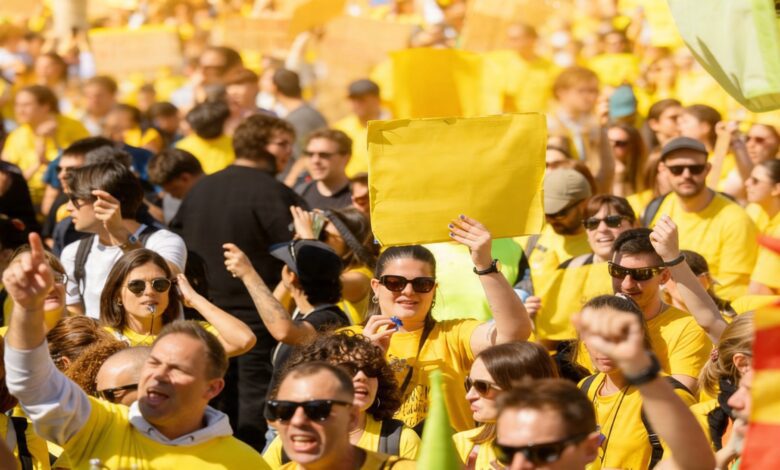
However, the sector’s largest union, USTEC, refused to support the agreements and organized mass protests and a week-long strike, which found wide support among teachers. Union representatives said they would not take part in negotiations until the authorities agreed to review the terms of the agreement. In response, the Govern continues to insist on its chosen course and emphasizes that while it is open to dialogue, it does not plan to change the conditions.
According to government spokesperson Sílvia Paneque, after the payment of the new allowance, teachers in Catalonia will no longer rank third from the bottom in salaries in Spain, but will rise to the third highest-paid position. She noted that the authorities understand the needs of the sector and consider the agreements reached a step toward improving the situation.
The threat of canceled school events
Despite the additional payments, the conflict in education is far from resolved. Already, 600 schools have announced the possibility of canceling school trips and camps in the next academic year, citing insufficient compensation and risks to event organization. Authorities emphasize that they do not intend to force schools to participate in camps, and the decision remains with the individual institutions.
Unions continue to push for new strikes. According to their data, 31,600 teachers took part in a survey, of whom 90% are ready to support further protest actions, while 58% favor tougher pressure measures. The dates and formats of new strikes will be announced in the coming days.
Context and consequences
The situation in Catalonia’s education system is unfolding against the backdrop of other pressing issues related to regional spending and reforms. Previously, the region’s authorities faced the need to negotiate major investments and controversial decisions, as was the case during discussions on the future of the Rodalies railway network, which was detailed in the article on agreeing measures for the restoration of Rodalies. The current conflict with teachers highlights how acutely issues of pay and working conditions in the social sector are perceived in Catalonia.