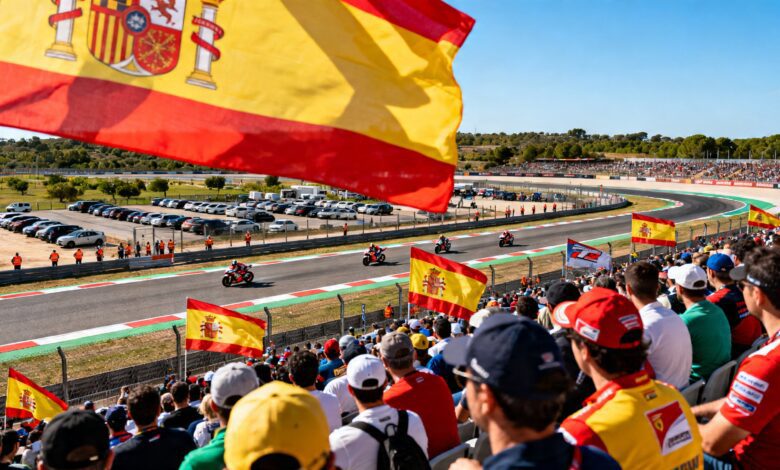
One of the most anticipated MotoGP rounds kicks off in Jerez: from April 24 to 26, the Circuito de Jerez-Ángel Nieto will welcome thousands of fans and participants. The organizers have announced new access rules, changes in transport logistics, and updated ticket prices. For many residents and visitors, this will be the main sporting weekend of the spring.
The competitions will start on Friday, April 24, and will continue through Sunday. All key categories, from Moto3 to MotoGP, will hit the track. Free practice sessions are scheduled for Friday: Moto3 begins at 09:00, Moto2 at 09:50, MotoGP at 10:45. On Saturday, spectators can watch the qualifying sessions and the MotoGP sprint at 15:00. Sunday will feature the main races: Moto3 at 11:00, Moto2 at 12:15, MotoGP at 14:00. The precise schedule depends on category, which is important to consider when planning your visit.
Tickets and parking
Three-day tickets are available on the official Circuito de Jerez-Ángel Nieto website. The price depends on the chosen grandstand and the visitor’s age: the minimum price is €60, with the maximum exceeding €150. Four parking areas are available for drivers around the circuit. Some are free, while others require separate booking and payment through the website. There is a special camping area for motorhome and caravan owners.
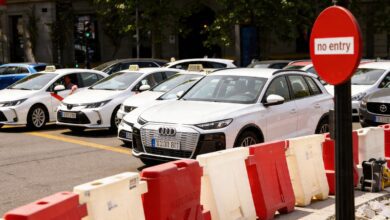
This year, organizers have improved transport accessibility: the city bus route will operate on a special schedule, and fares will range from 0 to 2 euros. This is intended to relieve congestion and make the track more accessible for those who do not plan to use their own vehicles.
Practical information for fans
A significant influx of visitors is expected on race days, so authorities recommend booking parking spaces in advance and carefully monitoring changes in the bus schedule. For the convenience of fans, additional services and rest areas have been set up at the circuit. It is important to remember that access rules and the transport route map may change depending on the day and the race category.
Interestingly, major sporting events in Spain are often accompanied by unexpected logistical or organizational nuances. For example, there have been cases in the country when important messages or documents reached the recipient years later—such as with the mysterious postcard from Italy delivered after 18 years. In the case of MotoGP, organizers emphasize that all services and routes will operate according to updated plans to avoid such surprises.