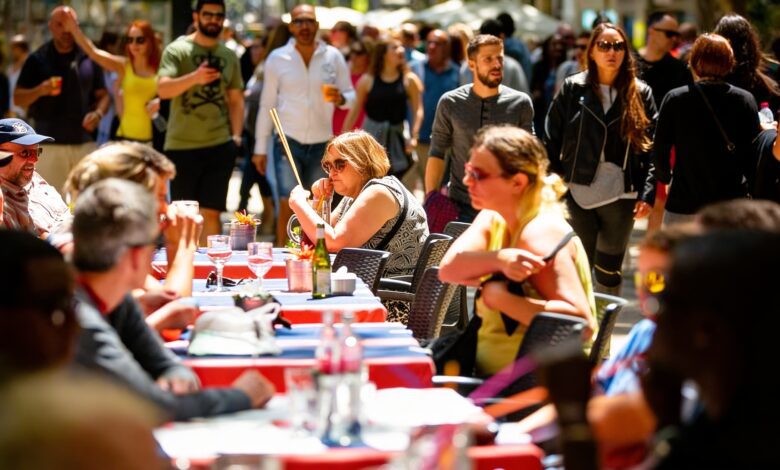
The new regulations on terrace placement on La Rambla in Barcelona directly affect both residents and visitors. After lengthy discussions, city authorities and representatives of the restaurant industry have agreed on rules that will reshape the look of one of Spain’s busiest streets. Now, La Rambla will retain 84% of its previous number of tables, and the appearance of furniture will be strictly standardized. This means sidewalk cafés will keep most of their seating, but pedestrians will have more open space to walk.
According to El Pais, the final agreement allows no more than 322 tables along the entire avenue. This is 16% fewer than before, but the compromise has helped strike a balance between business interests and the need to make the street more comfortable for locals. As a result, a third of the space previously occupied by terraces will return to pedestrians. This move is especially important for Barcelona, where tourist numbers keep rising and the issue of city space management is becoming increasingly urgent.
A unified style for everyone
One of the key innovations is the introduction of a special “Style Book” (Libro de Estilo), developed by FAD (Fomento de las Artes y del Diseño) in coordination with all stakeholders. This document specifies the permitted colors, materials, and furniture parameters for terraces. Specifically, the approved palette for tables, chairs, and umbrellas includes neutral and warm tones—beige, sand, soft grays, and terracotta accents. All umbrellas must be of the same height to ensure a visually cohesive row along the street. At the same time, establishments can choose from the approved models, preserving their individuality within the general standards.
Authorities emphasize that the changes aim not only to improve the appearance of the Rambla but also to enhance the quality of the urban environment. Furniture must be durable and blend harmoniously with the architecture of the city center. For added convenience, chair covers in four colors are allowed, but advertising on them is prohibited—only the name of the establishment is permitted. Issues regarding auxiliary equipment, such as chalkboards or staff furniture, will be resolved through a separate competition organized by the municipality.
Consensus and faster implementation
The compromise reached was the result of intense yet constructive negotiations between the city council and the Restauranteurs Guild. As El Pais notes, civic organizations, including Amics de la Rambla, also took part in the discussions. The city’s mayor, Jaume Collboni, called La Rambla the first “exclusivity zone” for terraces, emphasizing that this approach could extend to other areas of Barcelona. Authorities hope these new standards will serve as a model for other popular tourist routes.
The timeline for the La Rambla renovation has been significantly reduced: instead of seven years, the work will be completed in three. This was made possible thanks to the active cooperation of all parties and the shared goal of returning the city’s central avenue to the public as soon as possible. Starting in February next year, establishments will gradually be allowed to restore their terraces, but only if they comply with the new regulations.
Context and implications
Introducing a unified style and reducing the number of tables on La Rambla is not the only initiative aimed at improving Barcelona’s urban environment. Previously, local authorities allocated significant resources to support businesses and infrastructure development, as reflected for example in the report on animal protection measures in Gran Canaria. Such decisions show that the municipality aims to take into account the interests of different groups and create better conditions for living and working.
In recent years, Spain has seen growing debate over the regulation of street cafés and terraces. Madrid and Valencia have also introduced limits on the number of seats and requirements for outdoor furniture appearance. Such measures often spark disputes between business owners and residents, but in the long run, they help create a harmonious urban environment. In Barcelona, the Rambla experience could serve as a starting point for further changes in other parts of the city and even in other Spanish cities.